

Does Cycling Burn Belly Fat? What Actually Happens to Your Waistline
Cycling can shrink your midsection, but not in the way most people expect. Here is what the body really does, how much riding it takes, and how to set up your weeks so the work shows up where you want it.
You look down, you look at your bike, and you wonder if the two are connected. Maybe a friend lost a few inches around the middle after taking up cycling. Maybe you read that pedaling “melts” belly fat, and then read the opposite an hour later. Both stories can be partly true, which is exactly why this topic gets so tangled.
The honest version is more useful than either extreme. Cycling is one of the most reliable ways to create the energy gap that makes your body pull fat from storage, including the fat around your waist. What it cannot do is pick that fat first. Your genetics, hormones, age, sleep, and eating habits decide where fat comes off and in what order.
This guide walks through what the science says in plain language, how many calories riding really burns, which kinds of rides pay off most, how to build a weekly routine you can keep, and which mistakes quietly stall progress. By the end you will know what to expect and how to get there.
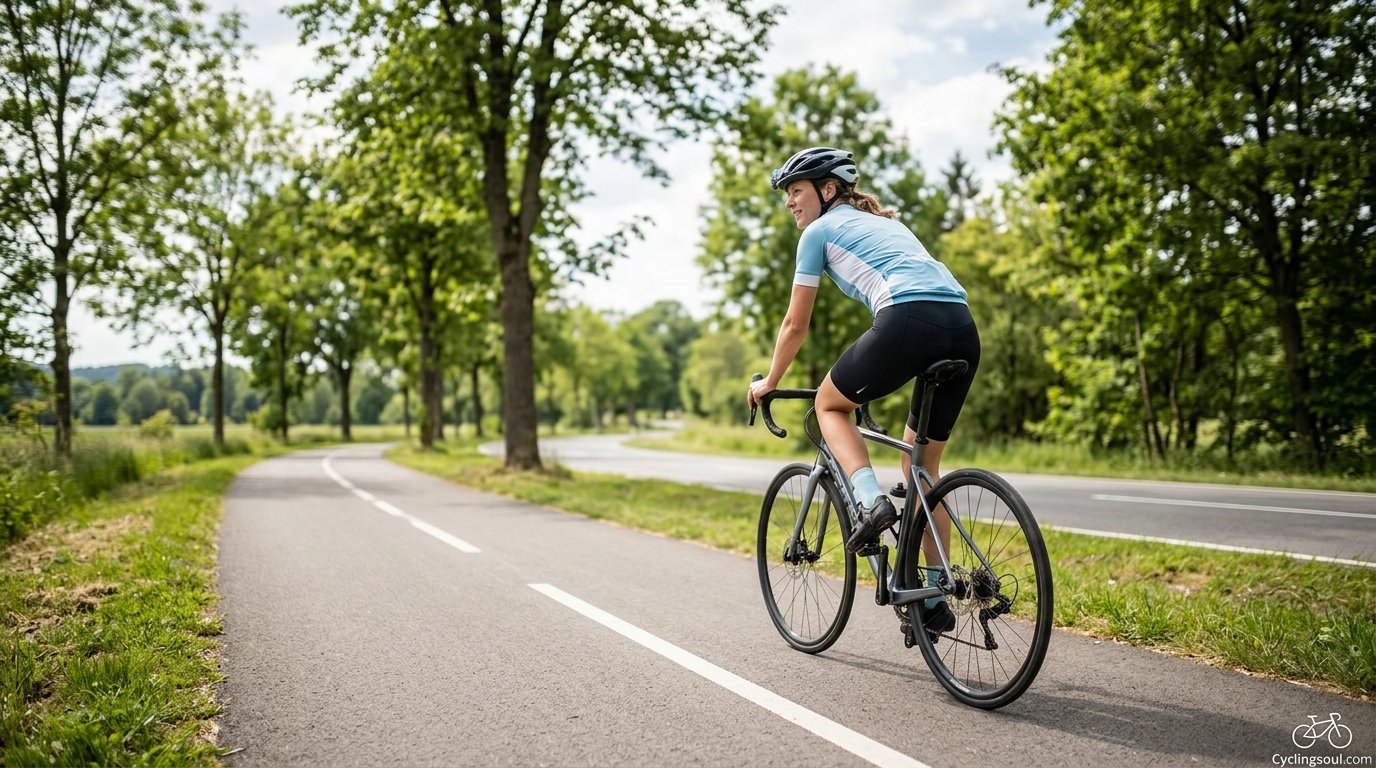
1. The Short Answer: Yes, With One Big Catch
Cycling burns belly fat the same way every other form of sustained exercise does: by raising the number of calories you use so your body has to draw on stored energy. Belly fat is part of that storage. When you spend more energy than you take in, over weeks and months, your body releases fat from all over, and the midsection almost always shrinks along with everything else.
The catch is that you cannot direct the process. No pedaling style, resistance setting, or special ride targets the stomach. Researchers have tested this idea many times, including studies where people trained one part of the body and checked whether fat disappeared from that spot. It did not. Fat loss is a whole-body event, and the area you want to change may be the last to respond.
What to expect: Consistent riding plus a modest calorie deficit usually leads to a smaller waist before the scale tells the full story, because abdominal fat, especially the deeper kind, tends to respond well to regular aerobic exercise.
If you want a broader look at riding for weight management, our guide to cycling for weight loss covers the bigger picture. This article stays focused on the midsection and the questions people ask most about it.
The good news is that cycling has several traits that make it a strong partner for fat loss. It is gentle on joints, easy to scale up or down, and enjoyable enough that people actually keep doing it. The best plan is the one you will still follow in three months, and a bike has a habit of being that plan.
Ready to start moving? Browse beginner-friendly bikes and accessories.
Shop Beginner Bikes on Amazon2. Why Belly Fat Is Different From Other Fat
Not all belly fat is the same stuff. There are two main types, and they behave differently when you start exercising.
Subcutaneous fat: the pinchable layer
This is the soft layer just under the skin. It is the fat you can grab with your fingers. It is mostly a storage depot, and it tends to be stubborn because it holds on to energy for long periods. It also gives your body its shape, so losing it takes patience.
Visceral fat: the deep layer
Visceral fat sits deeper, around the organs inside your abdomen. You cannot pinch it, but it can push your stomach outward and make it feel firm instead of soft. It is more metabolically active than the pinchable layer, and it is the type most closely linked with health risks. The encouraging part is that visceral fat appears to respond quickly to regular aerobic exercise. In many studies, people lose a meaningful share of it with consistent cardio even when the scale barely moves.
Why the waist sometimes changes first
Because deep abdominal fat is responsive, some riders notice that their waistband loosens before their weight changes. Others, particularly those with more stored fat in the hips or thighs, notice the opposite. Where you lose first is largely inherited, and it also shifts with age and hormonal changes.
A note on “belly” that is not fat: A bloated or protruding stomach can also come from digestion, water retention, posture, or weak abdominal muscles. If your stomach changes shape drastically or you feel unwell, speak with a healthcare professional rather than assuming it is only fat.
Knowing the difference helps you set fair expectations. You may feel stronger and firmer long before you see a dramatic mirror change, and both are signs the plan is working.
Track your waist and weight at home with a reliable scale.
Find a Body Scale on Amazon3. How Many Calories Does Cycling Actually Burn?
The number depends on your body weight, how hard you ride, the terrain, and the wind. A heavier rider burns more at the same speed because moving more mass takes more energy. Hills, headwinds, and higher speeds all increase the cost.
The table below gives rough ranges for one hour of riding. They are estimates, not promises, and a heart rate monitor or power meter will give you a more personal figure.
| Riding style | Approx. effort | Rough calories per hour (average adult) |
|---|---|---|
| Easy commute or leisure ride | Conversation is effortless | 250 to 400 |
| Steady endurance ride | Can talk in full sentences | 400 to 600 |
| Brisk group ride or rolling hills | Talking in short phrases | 550 to 800 |
| Interval session | Hard efforts with recoveries | 600 to 900 |
| Indoor class or hard trainer session | Sustained high effort | 500 to 850 |
Turning calories into fat loss
A pound of body fat holds roughly 3,500 calories of stored energy, though real-world fat loss is messier than simple arithmetic. If you ride for an hour four times a week and burn around 500 calories each time, that is about 2,000 extra calories weekly. Over a month, that adds up to a real gap, assuming you do not eat it all back.
That last clause matters. Exercise makes people hungry, and a long ride feels like permission to eat more. A single large post-ride meal can erase the entire session. We cover that in the nutrition section below.
Practical takeaway: Do not chase huge single rides to “earn” food. Aim for a steady weekly total of riding time that you can repeat, and let the numbers accumulate.
Many riders also overestimate the burn shown on cycling computers and apps, so treat those figures as a rough guide. Consistency across weeks matters far more than the exact count from any one ride.
A heart rate monitor makes your effort and burn easier to understand.
See Heart Rate Monitors on Amazon4. Why Cycling Works So Well for Fat Loss
Plenty of exercises burn calories. Cycling earns its reputation because it solves the problems that make people quit other routines.
It is low impact
Running pounds your knees, hips, and ankles with every step. Cycling supports your weight on the saddle, so people who are carrying extra weight or recovering from past injuries can train longer with less pain. More comfortable training means more weekly time, and more weekly time means more energy spent.
It is easy to scale
You can ride for twenty easy minutes or three hard hours. You can add a hill, a headwind, or a friend who rides slightly faster than you. That flexibility lets you progress without switching sports.
It fits real life
You can turn errands and commutes into training. A short ride to work or the shops adds up across a week without needing a separate workout slot. Riders who build cycling into daily routines often burn more total energy than those who rely on a single weekend session.
It is genuinely fun
This one is underrated. People return to activities that feel good. Exploring new roads, riding with friends, and watching your fitness climb are rewards that a treadmill rarely matches.
Pros of cycling for belly fat
- Gentle on joints
- Works for nearly every fitness level
- Easy to combine with daily travel
- Builds leg strength and heart fitness
- Enjoyable enough to stick with
Limitations to know about
- Does not target the stomach specifically
- Weather and traffic can interrupt rides
- Upfront cost for bike and gear
- Little upper-body or core work on its own
- Easy to out-eat the effort
If you are brand new, our walkthrough on how to start cycling will help you get on the road without feeling overwhelmed.
Make every ride safer and more comfortable.
Shop Bike Helmets on Amazon5. Easy Rides vs Hard Efforts: Which Burns More Belly Fat?
A common argument goes like this: slow riding burns a higher percentage of fat, while hard riding burns more total calories. Both statements are true, and neither settles the question on its own. What matters most for long-term fat loss is the total energy you use over time and whether your training is something you can sustain.
Steady endurance riding
Easy to moderate riding, often called zone 2, is the foundation of most cycling plans. You can hold it for a long time, it builds your aerobic engine, and it leaves you fresh enough to ride again tomorrow. For fat loss, it is the workhorse. It is also forgiving, so beginners can do a lot of it without injury or burnout.
Interval training
Intervals alternate hard efforts with recovery. They burn plenty of calories in a short window and improve fitness quickly. Some research suggests high-intensity work may be especially helpful for reducing abdominal fat, though results across studies vary and the effect often comes down to the total work completed. Intervals are demanding, so most people do best with only one or two sessions per week.
| Ride type | Best for | Typical frequency | Watch out for |
|---|---|---|---|
| Easy endurance | Building a base and burning energy sustainably | 2 to 4 times a week | Boredom and riding too hard |
| Tempo / steady-hard | Raising fitness without huge fatigue | 1 time a week | Drifting into this pace every ride |
| Intervals | Time-efficient calorie burn and fitness | 1 to 2 times a week | Poor recovery and overuse |
| Long weekend ride | Total weekly energy spent | 1 time a week | Over-eating afterward |
Using FTP to set your efforts
If you ride with a power meter or a smart trainer, your functional threshold power gives you a clear way to pick effort levels. We break the concept down in our guide to what FTP is in cycling. Without power, heart rate zones or simple talk-test effort work perfectly well.
A balanced approach: Build most of your week from easy and moderate rides, add one or two harder sessions, and keep at least one genuinely easy day. That mix burns energy, improves fitness, and protects against burnout.
Structured indoor training makes intervals easier to follow.
Explore Bike Trainers on Amazon6. Weekly Cycling Plans for Belly Fat Loss
The right plan depends on your starting point. These outlines are templates, not rules. Adjust them to your schedule, energy, and how your body responds, and take rest days seriously.
Beginner: building the habit
If you are new to cycling or returning after a long break, your first goal is consistency, not suffering. Start with three rides a week of 20 to 40 minutes at a comfortable pace. Add five minutes each week or so. Your body needs time to adapt, particularly your saddle contact points.
Intermediate: adding structure
Once you can ride an hour comfortably, move to four rides weekly: two steady endurance rides, one tempo or interval session, and one longer ride. Keep one or two full rest days. Our guide on how to train for cycling goes deeper on structuring blocks and progressing safely.
Advanced: higher volume with smart recovery
Experienced riders can handle five or six rides with a couple of interval sessions. The danger at this level is not doing too little but doing too much. Fatigue, poor sleep, and constant hunger are signs to ease off, not push harder.
| Level | Rides per week | Total time | Sample structure |
|---|---|---|---|
| Beginner | 3 | 1 to 2 hours | 3 easy rides, 20 to 40 minutes each |
| Intermediate | 4 | 3 to 5 hours | 2 steady rides, 1 interval session, 1 long ride |
| Advanced | 5 to 6 | 6 to 9 hours | 3 endurance, 2 intervals, 1 long ride, rest day |
Listen to your body: Sharp pain, dizziness, chest discomfort, or unusual shortness of breath are reasons to stop and seek medical advice. If you have a health condition or have been inactive for a long time, check with a doctor before starting a new training plan.
Progress by small steps. A ten percent increase in weekly time is a reasonable guide. Jumping from two hours to eight in a month is how people end up injured, exhausted, and back on the sofa.
A comfortable saddle keeps you riding longer and more often.
Shop Bike Seats on Amazon7. The Food Side: You Cannot Out-Ride an Over-Eating Habit
If cycling is the engine of fat loss, food is the steering wheel. Most riders who struggle to lose belly fat are riding plenty. What holds them back is that riding makes them hungrier and gives them mental permission to eat more than they burned.
Aim for a modest deficit, not a crash
Cutting calories too aggressively while riding often backfires. You feel flat, your rides get worse, recovery drags, and your body may hold on to stored energy. A moderate deficit that leaves you able to train well is more effective than a harsh one you abandon after two weeks.
Fuel the ride, then eat sensibly
For rides under an hour at easy effort, you often need little more than water. Longer or harder rides benefit from some carbohydrates during and a proper meal afterward. Fueling properly means you can train well and recover, which protects the habit you are building.
Protein and fiber help
Protein supports muscle repair and keeps you full. Fiber from vegetables, fruit, beans, and whole grains does the same. Together they make it easier to stay in a gentle deficit without feeling deprived.
Watch liquid calories and “reward” snacks
Sports drinks, sweet coffee drinks, and post-ride treats can add up quickly. A single large coffee drink may cancel a good portion of a short ride. Keep rewards, but keep them honest.
Habits that help
- Eating protein with each meal
- Drinking water before and during rides
- Planning a post-ride meal in advance
- Keeping fruit and vegetables easy to grab
Habits that quietly stall progress
- Treating every ride as a free pass
- Skipping meals, then overeating later
- Relying on sugary sports drinks for short rides
- Drastic calorie cuts that wreck recovery
If you have a medical condition, take medication, or have a history of disordered eating, work with a doctor or registered dietitian on your nutrition rather than relying on general advice.
Keep ride fuel simple with easy-to-carry bottles and snacks.
Shop Cycling Bottles on Amazon8. Indoor vs Outdoor Cycling for Belly Fat
Whether you ride outdoors, on a trainer, or on a stationary bike, the fundamentals of fat loss stay the same. The difference comes down to convenience, enjoyment, and how likely you are to ride consistently.
Outdoor riding
Outdoor rides come with natural variation: hills, wind, stops, and scenery. They tend to feel less like a chore, and they build handling skills. The downsides are weather, daylight, and traffic, any of which can wipe out a planned session.
Indoor trainers and stationary bikes
Indoor riding removes the excuses. It is available at any hour, and you can control effort precisely. There are no traffic lights, so you may spend more of the session actually pedaling, which can make an hour indoors surprisingly efficient. Boredom is the main enemy, and music, shows, or virtual rides help a lot.
| Factor | Outdoor | Indoor |
|---|---|---|
| Weather dependence | High | None |
| Control over effort | Moderate | Very high |
| Enjoyment for most riders | Often higher | Depends on entertainment |
| Upfront cost | Bike and gear | Trainer or stationary bike |
| Safety considerations | Traffic and road surface | Minimal |
The smartest approach for many people is a mix: outdoor rides when conditions are good, indoor sessions when they are not. That way, a rainy week does not become a lost week.
Stay cool and comfortable on indoor sessions.
Find Indoor Riding Gear on Amazon9. Strength and Core Work: The Missing Piece
Cycling is excellent for the heart and legs, but it asks very little of your upper body and only some of your core. Adding strength training does three useful things. It preserves muscle while you lose fat, it makes you a stronger and more comfortable rider, and it raises your resting energy use a little because muscle tissue costs more to maintain than fat.
What cycling already trains
Your quads, hamstrings, calves, and hips do the heavy lifting. If you are curious about the full picture, our article on what muscles cycling works explains which muscles carry the load. Many riders also ask whether pedaling shapes the lower body, and we answer that in our guide on whether cycling builds glutes.
What cycling underuses
Your deep core, back, chest, and shoulders get far less work. A weak core can lead to sagging posture on long rides, back discomfort, and wasted energy. Strengthening it will not burn belly fat directly, but it will help you hold position and push power more efficiently.
A simple weekly add-on
- Planks and side planks: build trunk stability without hurting your back.
- Dead bugs and bird dogs: train the core while keeping the spine safe.
- Squats and lunges: reinforce leg strength and balance.
- Deadlift patterns: train the hips and back for stronger pedaling and posture.
- Rows and push-ups: balance the upper body.
Two short sessions a week of 20 to 30 minutes is plenty for most riders. Keep the heavy leg days away from your hardest rides so you do not arrive at an interval session with tired legs.
About crunches: Doing hundreds of crunches will strengthen your abdominal muscles, but it will not remove the fat sitting on top of them. Spend that time riding and eating well, and use core work for strength and posture.
Build a simple home strength setup for off-bike days.
Shop Strength Gear on Amazon10. Sleep, Stress, and Recovery: The Hidden Waistline Factors
Plenty of riders do everything right on paper and still stall. Often the culprit is not the training plan but what happens between rides.
Sleep shapes hunger
Short or poor sleep tends to raise appetite and cravings, especially for sugary and fatty foods, and it makes decisions about food harder. It also drags down your energy for rides. Many people find that improving sleep makes eating well feel almost easier. Most adults do best with seven to nine hours.
Stress and belly fat
Long-term stress raises the hormone cortisol, and chronically high levels are associated with more fat storage around the abdomen in some people. Exercise, including relaxed riding, is a proven way to manage stress. Overtraining on top of an already stressful life can work against you, though.
Recovery is part of training
Your body adapts during rest, not during the ride itself. Skipping recovery days leads to fatigue, lower quality rides, and sometimes illness or injury. Signs you may need more rest include a rising resting heart rate, persistent soreness, dropping motivation, and trouble sleeping.
Think of it this way: A well-rested rider who trains moderately often beats an exhausted rider who trains constantly. Protect your sleep as seriously as you protect your ride schedule.
Alcohol is worth a mention too. It adds calories, disrupts sleep quality, and often leads to late-night eating. You do not need to give it up entirely, but cutting back often makes a visible difference.
Recover better with simple tools for tired legs.
Shop Recovery Tools on Amazon11. Gear That Keeps You Riding
Gear will not burn belly fat, but uncomfortable gear ends rides early and makes people avoid the bike altogether. A few smart purchases can remove the small irritations that quietly sabotage consistency.
A bike that fits
A poorly sized bike causes aching knees, numb hands, and a sore back. If you are buying, visit a local shop for a fit check or at least confirm your frame size using the maker’s sizing chart. Small adjustments to saddle height and handlebar reach can transform a ride.
Shorts that protect you
Padded shorts reduce friction and pressure, which matters more the longer you ride. If you are shopping for comfortable options, see our roundup of the best women’s cycling shorts for tested picks.
Shoes that transfer power
Stiffer cycling shoes help you pedal efficiently and reduce foot fatigue. When you are ready to upgrade from sneakers, our guide to the best cycling shoes can help you choose.
Small items with big comfort payoffs
- Padded gloves to reduce hand numbness
- A bottle cage and bottle you can reach easily
- Front and rear lights for visibility
- A saddle bag with a spare tube and mini pump
- A cycling computer or phone mount for tracking
| Item | Why it matters for fat loss | Priority |
|---|---|---|
| Properly fitted bike | Prevents discomfort that cuts rides short | High |
| Padded shorts | Makes longer rides tolerable | High |
| Helmet and lights | Safety keeps you riding for years | High |
| Cycling shoes | Efficiency and foot comfort | Medium |
| Heart rate monitor or power meter | Better pacing and tracking | Medium |
Upgrade the comfort items that make long rides easier.
Shop Cycling Shorts on Amazon12. Tracking Progress and Avoiding Common Mistakes
The scale alone is a poor judge of belly fat loss. Weight swings with water, salt, and meals, and as you ride more you may add some muscle. Use several measures together so you can see the full story.
Better ways to measure
- Waist measurement: measure at the same spot, such as at the navel, once every week or two, in the morning.
- Progress photos: same lighting, same pose, every few weeks.
- How clothes fit: a loosening waistband is real feedback.
- Ride performance: faster averages and easier climbs show fitness growing.
- Energy and sleep: often improve well before the mirror changes.
Common mistakes that stall belly fat loss
- Riding hard every time. Constant high effort leads to fatigue, poor recovery, and eventually fewer rides.
- Eating back every calorie. A ride does not cancel a large meal and a dessert.
- Expecting spot reduction. Abdominal exercises will not remove stomach fat on their own.
- Inconsistent schedules. Two big rides then nothing for a week does less than steady, regular riding.
- Ignoring sleep. Poor sleep sabotages appetite and recovery.
- Quitting too early. Visible change usually takes several weeks of steady effort, sometimes longer.
How long will it take?
There is no universal timeline. Many people notice better energy and fitness within two to three weeks, a looser waistband within four to eight, and clearer visual changes within two to three months of steady riding and sensible eating. Your starting point, genetics, and consistency all play a part. Patience is a real part of the plan.
A flexible tape measure is a cheap, honest way to track your waist.
Get a Measuring Tape on AmazonFrequently Asked Questions
Does cycling burn belly fat?
Yes, cycling helps reduce belly fat as part of overall fat loss. It burns calories and improves how your body uses stored energy. It cannot target the stomach specifically, so the area changes as your total body fat comes down.
How long should I cycle each day to lose belly fat?
Most people see good results from 30 to 60 minutes of riding on most days, or around three to five hours across a week. Beginners can start with 20 to 30 minutes and build up. Consistency matters more than the length of any single ride.
Is cycling better than walking or running for belly fat?
Each works when done consistently. Cycling is easier on the joints than running, so many people can ride longer and more often. Running burns more calories per hour for most people, while walking is the gentlest option. The best choice is the one you will keep doing.
Can I lose belly fat by cycling without changing my diet?
It is possible if your current eating leaves room for a deficit once you add riding, but many people find progress stalls because hunger rises with exercise. Pairing regular rides with modest changes in eating gives much more reliable results.
Does stationary bike cycling burn belly fat too?
Yes. A stationary bike burns calories the same way an outdoor ride does, and it is easy to control effort and keep a schedule. Indoor sessions can be just as effective as outdoor rides for fat loss.
Is HIIT on a bike better for belly fat than steady riding?
High-intensity intervals burn a lot of energy in a short time and may be especially useful for abdominal fat in some studies. Steady riding is easier to repeat and recover from. A mix of both, with mostly easy and moderate rides, usually works best.
How soon will I see my belly shrink from cycling?
Many people feel better within a few weeks, notice a looser waistband in about one to two months, and see clearer changes after two to three months of steady riding and sensible eating. Results vary from person to person.
Does cycling reduce visceral fat?
Regular aerobic exercise, including cycling, is associated with reductions in visceral fat, often even when body weight changes only slightly. This deeper abdominal fat tends to respond well to consistent training.
Will cycling make my thighs bigger instead of shrinking my belly?
Cycling builds leg muscle, and some riders notice firmer thighs. For most people doing moderate riding, the effect on size is modest compared with the fat loss from the energy deficit. Heavy sprinting and strength work build more muscle.
Should I do crunches as well as cycling?
Core exercises are useful for posture, stability, and comfort on the bike, but they do not remove belly fat. Use them to build strength, and rely on riding and nutrition for fat loss.
Is it safe to cycle every day?
Easy daily riding is fine for many people, especially commuting or relaxed spins. Hard efforts need recovery, so keep at least one or two lighter or rest days each week and watch for signs of fatigue.
Do I need an expensive bike to lose belly fat?
No. A comfortable, well-fitted bike you will ride regularly beats a costly one that stays in the garage. Focus on fit, comfort, and safety before spending on upgrades.
Conclusion: Pedal Steadily and Let the Waistline Follow
So, does cycling burn belly fat? It does, as part of a whole-body process. Riding raises your energy use, improves how your body handles stored fat, and tends to be especially kind to the deeper abdominal fat that matters most for health. What it will not do is single out your stomach or overpower a diet that quietly adds the calories back.
The plan that works is refreshingly simple. Ride regularly at a pace you can sustain, add one or two harder sessions as your fitness grows, strengthen your core and legs off the bike, eat in a modest and sensible deficit, protect your sleep, and track your progress with more than the scale. Give it a couple of months before you judge it, and you will likely see a change you can feel as well as measure.
Start with the next ride. Pick a route, tell someone you are going, and enjoy the first pedal strokes. Everything else builds from there.
Ready to gear up for your first or next ride?
Shop Cycling Essentials on Amazon