
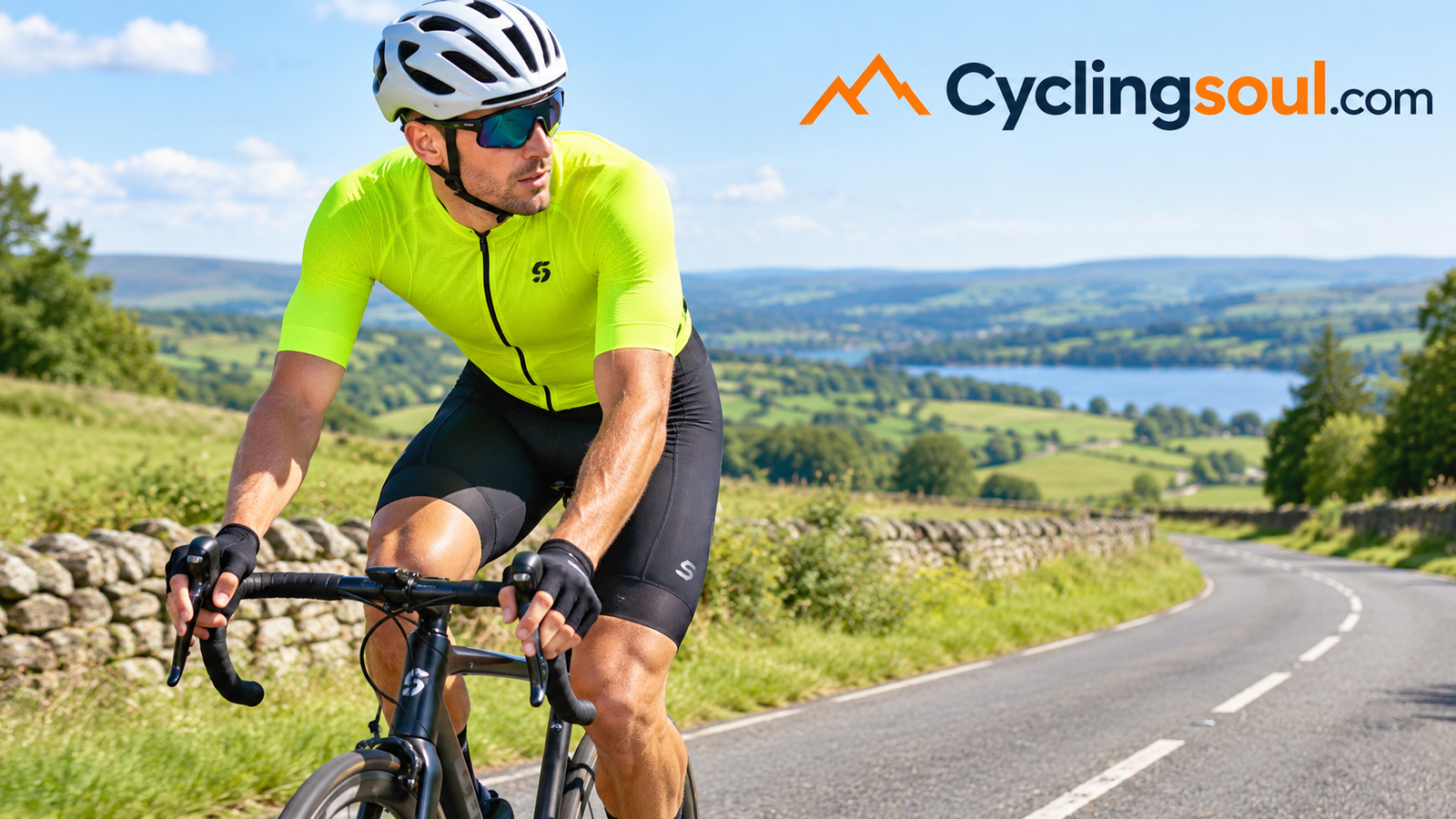
What to Wear Cycling: The Complete Head-to-Toe Guide for Every Ride and Every Season
From your first neighborhood spin to long weekend miles, here is exactly what to put on, what to skip, and why it matters.
Ask ten cyclists what to wear on a bike and you will get eleven opinions. The truth is simpler than the forums make it sound: a handful of well-chosen pieces, worn in the right order, will make nearly every ride more comfortable.
If you have ever finished a ride with sore saddle areas, numb feet, soaked cotton clinging to your back, or hands that felt like blocks of ice, you already know that clothing is not a vanity project in cycling. It is equipment. The right outfit manages sweat, blocks wind, protects skin, cushions contact points and lets you pedal without thinking about your body every five minutes.
This guide walks through everything you need, from the shorts you sit on to the helmet you wear, and then shows you how to adapt the whole kit to temperature, weather, and the kind of riding you actually do. Whether you are just getting started and reading our guide on how to start cycling, or you are an experienced rider who wants to fine-tune a winter wardrobe, you will find practical, no-nonsense answers below.
1. Why What You Wear Cycling Matters More Than You Think
Walk into any bike shop and the wall of colorful lycra can feel intimidating. It is easy to wonder whether you really need any of it. Plenty of people hop on a bike in jeans and a cotton t-shirt, and for a ten-minute ride to the corner store that is perfectly fine. The picture changes once rides stretch beyond half an hour. Everyday clothes are designed for standing and walking, not for sitting on a narrow saddle while your legs turn over thousands of times.
Friction is the enemy
Pedaling is a repetitive motion. Each pedal stroke moves your thighs against the saddle and against each other, and in an hour you can make five thousand revolutions or more. Regular seams, especially the thick inseams in jeans or gym shorts, rub the same patch of skin again and again. That is how chafing starts, and chafing is the number one reason new riders quit early. Cycling-specific shorts use flat, bonded seams and a shaped pad to move friction away from sensitive spots.
Moisture management keeps you comfortable and safe
Cotton absorbs sweat and holds it. A wet cotton shirt feels heavy in summer and dangerously cold in autumn, because wet fabric pulls heat away from your body far faster than dry fabric does. Technical fabrics such as polyester, nylon and merino wool move moisture away from the skin and let it evaporate. That one change is responsible for most of the comfort gap between a casual outfit and a proper cycling kit.
Aerodynamics and wind
Wind is the biggest force a cyclist fights once speed passes about ten miles per hour. A loose, flapping shirt acts like a small parachute. Close-fitting jerseys reduce that drag, and a wind-blocking layer on a cold descent can be the difference between feeling fine and shivering uncontrollably. You do not need a skin-tight race suit, but you also do not want a billowing sail on your back.
Safety and visibility
Clothing is also part of your safety system. A well-fitting helmet protects your head, gloves protect your palms in a fall, sunglasses keep debris and glare out of your eyes, and bright colors or reflective details make you easier for drivers to see. A few small choices in the closet can lower your risk on every outing.
It affects how much you ride
People who are comfortable ride more. People who ride more get fitter, lose weight if that is their goal, and enjoy the sport longer. If you are curious about the broader payoff, take a look at whether cycling is good for you, and you will see why it is worth investing in kit that keeps you coming back. Think of your clothing budget as the cheapest performance upgrade you can buy.
Ready to build your first kit? Browse popular cycling apparel and see what real riders are choosing.
Shop Cycling Clothing on Amazon2. The Layering System: The Secret Behind Every Good Cycling Outfit
Before getting into individual items, it helps to understand the idea that organizes everything else: layering. Cycling generates a lot of body heat, but conditions change quickly. You warm up ten minutes into a ride, you chill on a long descent, you stop at a cafe and cool off in seconds. Layers let you adjust without carrying a closet on your back.
Layer one: the base layer
This is the thin garment against your skin. Its only job is to move sweat away and keep you dry. In warm weather it can be a sleeveless mesh top, and in cold weather it becomes a long-sleeved merino or synthetic piece. A good base layer is the most underrated purchase in cycling.
Layer two: the insulating or primary layer
In mild weather your jersey is this layer. In cold weather it might be a thermal jersey, a fleece-backed long-sleeve, or a lightweight mid-layer worn under a jacket. This layer traps a thin cushion of warm air near your body.
Layer three: the shell
The outer layer fights wind and rain. A packable wind vest or jacket weighs almost nothing and can be stuffed into a jersey pocket. A fully waterproof shell is heavier and less breathable, so most riders carry a water-resistant option for showers and save the true rain jacket for steady downpours.
The rule of starting slightly cold
Almost every experienced cyclist gives the same advice: dress so that you feel a little chilly for the first ten minutes. Your body will warm up fast, and if you start out comfortable you will be overheating by mile three. Over-dressing is the most common cold-weather mistake, and it leads to sweat-soaked layers that chill you later.
Think in zones, not just garments
The extremities lose heat faster than the core. Fingers, toes, ears and knees are the first to complain. A thin skull cap, full-finger gloves, toe covers and knee or leg warmers can transform a ride in forty-five degree weather without requiring a bulky winter jacket. Adjusting these small pieces is easier and cheaper than replacing your entire kit.
Zippers are your thermostat
A jersey with a full-length zip lets you vent heat on climbs and close up for descents. Armpit zips on jackets do the same job. When shopping, favor pieces with easy, one-handed zip operation. It sounds minor until you are trying to regulate your temperature while holding the handlebars at speed.
Start with the foundation. A quality base layer pays off on almost every ride.
Shop Cycling Base Layers3. Cycling Shorts, Bibs and Tights: The Most Important Piece of Your Kit
If you only upgrade one item, make it the thing between you and the saddle. Padded cycling shorts are the foundation of comfort, and they work best the way they are designed to be worn, which surprises many beginners.
Wear them without underwear
Cycling shorts are built to be worn directly against the skin. The chamois pad is designed to wick moisture and reduce friction on its own, and layering regular underwear underneath adds seams and bunching that cause the exact problems the pad is meant to prevent. It feels odd the first time, but it works.
Shorts versus bibs
Traditional shorts have a waistband with elastic gripper. Bib shorts replace that waistband with shoulder straps. Many riders find bibs more comfortable on long rides because there is no band digging into the stomach, and the shorts never slide down. The tradeoff is convenience: bibs can be a hassle during bathroom stops, although many newer designs have made that easier. If you want a deeper comparison and specific recommendations, our roundups of the best cycling shorts and the best cycling bibs cover the top picks in detail.
Women-specific shorts
Women’s pads are shaped differently, and the cut around the hips and waist is designed for different proportions. If you ride and find that standard shorts do not feel right, a women’s-specific design can make a significant difference. See our guide to the best women’s cycling shorts for tested options across price ranges.
How thick should the pad be?
More padding is not always better. A thick pad can feel like a diaper and trap heat, while a thin, high-density one gives better support on long rides. For rides under an hour, a light pad is plenty. For multi-hour days, look for a multi-density chamois that is thicker where your sit bones land and thinner at the edges. Fit and saddle choice matter more than sheer foam thickness.
Baggy shorts for casual and mountain riders
If lycra feels like too much, baggy shorts with a removable padded liner are a popular alternative, especially for mountain biking and relaxed commuting. You get the pad plus an outer layer with pockets and a less revealing look. They are slightly heavier and less aerodynamic, but for off-road and casual riding, many people prefer them.
Tights, knee warmers and leg warmers
When the temperature drops, your legs need more cover. Knee warmers and leg warmers slide on over shorts and can be removed mid-ride, which makes them perfect for variable weather. Full bib tights deliver warmth, wind protection and a padded chamois in one piece. Thermal versions have a brushed fleece interior. Choose by temperature, and check that they are long enough to stay put when your knees are fully bent.
Fit tips for the bottom half
- Shorts should feel snug but never restrictive. Fabric should not bunch at the crotch when you sit in riding position.
- Leg grippers should hold without cutting into your thighs.
- Try them on in a riding posture rather than standing upright, because the shape changes dramatically.
- Replace them once the pad compresses and loses its cushioning, usually after a few years of regular use.
Pros of padded cycling shorts
- Reduce friction and chafing
- Wick sweat away from skin
- Support sit bones on long rides
- Improve aerodynamics
Cons to consider
- Fit can feel unusual at first
- Quality pairs can be costly
- Need regular washing after every ride
- Bibs require more effort for bathroom stops
Comfort starts at the saddle. Compare padded shorts and bibs from trusted brands.
Shop Cycling Shorts and Bibs4. Cycling Jerseys and Tops: Pockets, Fit and Fabric
A cycling jersey looks simple, but it solves several problems at once. It sits close to the body so it does not flap, it is cut longer at the back so your lower spine stays covered when you lean forward, and it carries three rear pockets for food, a phone, keys and a spare layer. Those pockets are the feature most beginners fall in love with right away.
What to look for in a jersey
- Fabric: Lightweight polyester blends dry quickly. Merino blends resist odor and regulate temperature across a wide range.
- Zipper: A full-length zip gives the most ventilation control. Half zips are lighter and slightly warmer.
- Rear pockets: Deep enough to hold a phone and a snack without sagging. A small zippered pocket is great for keys or cards.
- Grippers: A silicone strip at the hem stops the jersey riding up.
- Color: Bright shades improve visibility on roads. Light colors reflect heat in summer.
Race fit versus club fit versus relaxed fit
Race-fit jerseys are very snug and aerodynamic. Club or standard fit gives a bit more room and suits most recreational riders. Relaxed fit looks more like a casual tee with a few cycling features. If you are new and self-conscious about snug clothing, start with a relaxed or standard fit. You can always move to something more tailored once you gain confidence.
Short sleeve, long sleeve and sleeveless
Short sleeves are the all-rounder, and you can add arm warmers in the cool of the morning. Long-sleeve jerseys are ideal for spring and autumn, and lightweight ones protect arms from sun in summer as much as from chill in winter. Sleeveless jerseys and gilets work as breathable warm-weather tops or as a wind layer over the jersey.
Can you wear a regular t-shirt?
You can, and plenty of people do on short, casual rides. A moisture-wicking athletic shirt is a perfectly decent compromise. Avoid heavy cotton for anything longer than a short trip, since it will soak up sweat and feel clammy. If you stick with a t-shirt, tuck it into your shorts or bibs if it tends to billow, and make sure you can reach the handlebars comfortably without it riding up.
Why the pockets are such a big deal
Fueling matters on any ride longer than an hour, and being able to grab a snack without stopping is genuinely useful. If you are starting to plan nutrition for longer rides, our guide to the best energy gels for cycling explains what to tuck into those pockets, and how much you should aim to eat.
Find a jersey that fits your style. From relaxed to race-fit, there is something for every rider.
Shop Cycling Jerseys5. Base Layers: The Quiet Hero of Comfort
The base layer is what sits against your skin under the jersey, and its job is to keep sweat from lingering. It is the least glamorous item in the whole wardrobe and probably the one that makes the biggest day-to-day difference. Riders who try a good base layer for the first time often wonder why they waited so long.
Synthetic versus merino wool
Synthetic base layers, usually polyester or polypropylene blends, are light, affordable and dry very quickly. They are great for hot, sweaty days and intense efforts. The downside is that they can hold odor after a few rides. Merino wool is soft, naturally odor-resistant and stays warm even when damp, which makes it a favorite for cool and cold weather. It costs more and can be less durable if you wash it aggressively. Many riders keep both: synthetic for summer, merino for the cold months.
Weight and thickness
Base layers are sold in light, medium and heavy weights. Light weights suit temperatures above about fifty degrees Fahrenheit, medium weights cover the cool range, and heavy weights suit winter riding when paired with a proper jacket. If you are unsure, buy a light or medium one first, because you can add insulation on top but you cannot easily take away a thick layer that makes you overheat.
Do you need one in summer?
A thin mesh sleeveless base layer can make a hot day more comfortable, since it holds a small layer of sweat that evaporates and helps cool you down. Many riders skip it when the temperature gets very high, and that is fine. The point is to understand the option exists, so you can try it on a sweltering climb and see how it feels.
Fit
The layer should be snug, with no loose fabric and no pinching. A baggy base layer cannot pull sweat off the skin, so it simply feels wet. It should also be long enough to tuck in or stay beneath your shorts or bibs when you lean forward. Seamless or flatlock-stitched designs prevent irritation under backpacks and hydration packs.
| Feature | Synthetic | Merino Wool |
|---|---|---|
| Drying speed | Very fast | Moderate |
| Odor control | Fair | Excellent |
| Warmth when damp | Moderate | Very good |
| Price | Lower | Higher |
| Best season | Summer and mild days | Cool to cold days |
Layer up the smart way. See highly rated synthetic and merino options.
Shop Merino Base Layers6. Cycling Shoes and Socks: Protecting Your Feet and Your Power
Your feet are the contact point where all your power moves into the bike, and they are also the part of you most likely to go numb, hot spot or freeze. Choosing the right shoes and socks matters more than you might expect.
Do you need cycling shoes?
Not at the beginning. If you ride flat pedals, a sturdy sneaker with a firm, fairly flat sole works well. Soft running shoes flex under the pedal and can cause foot fatigue on longer rides. Once you progress, clip-in shoes with stiff soles transfer power efficiently and keep your foot locked in the right place. Our breakdown of the best cycling shoes compares road, mountain and indoor options so you can match the shoe to your pedals.
Road, mountain and indoor shoes
- Road shoes: Stiff, lightweight and designed for three-bolt cleats. They are awkward to walk in but efficient to pedal.
- Mountain and gravel shoes: Recessed two-bolt cleats and grippy lugs make walking easy on trails and cafe floors.
- Flat-pedal shoes: Sticky rubber soles grip pins on flat pedals and give good stability.
- Indoor shoes: Vented and often compatible with indoor-cycling cleats.
Getting the fit right
Shoes should be snug in the heel and midfoot, with enough room in the toe box that your toes can spread slightly. Feet swell as you ride, so a very tight fit becomes painful by the second hour. Try shoes on in the afternoon, wear your usual riding socks, and walk around the shop for a couple of minutes.
Socks matter more than you think
Cycling socks are thin, moisture-wicking and seamless around the toes. Cotton socks are the enemy. They absorb sweat, bunch up, and cause blisters. Most riders prefer a crew or quarter height that looks tidy with shoes and works with shoe covers. Wool blends are great for winter, while lightweight synthetics shine in summer. For more choices and fit advice, our best cycling socks guide covers the leading options.
Cold feet solutions
Feet get cold first because they are far from your core and are sitting in front of the wind. Neoprene shoe covers or thermal overshoes block wind and add warmth, and toe covers are a lighter option for cool days. Avoid cramming thick socks into tight shoes, since that reduces circulation and makes your feet colder. Roomy but not loose is the sweet spot.
Happy feet, happy rides. Check out cycling shoes, socks and shoe covers.
Shop Cycling Shoes7. Helmet, Eyewear and Gloves: The Safety and Comfort Essentials
These three items protect the parts of you that matter most in a crash and make long rides more pleasant. Skipping them to save a little money is a false economy.
Helmets
A helmet is the single most important piece of cycling equipment you will wear. Choose one that meets the safety standard in your region, fits snugly without pressing, and sits level on your head, with the front edge about two finger-widths above your eyebrows. The side straps should form a neat V under each ear, and the chin strap should be snug enough that you can fit only one or two fingers beneath it. Modern helmets include rotational-impact protection systems, adjustable dials for fit and generous ventilation. Replace any helmet after a crash, and replace it every few years since foam degrades over time.
Eyewear
Sunglasses designed for cycling wrap around your eyes to block wind, insects, grit and ultraviolet light. Look for impact-resistant lenses, a secure nose and temple grip, and enough coverage that you do not feel exposed at speed. Interchangeable or photochromic lenses handle shifting light, and clear or yellow lenses are useful in dawn, dusk or overcast weather. Eye protection is not optional on gravel roads where flying debris is common.
Gloves
Padded short-finger gloves cushion your palms from road vibration and protect them in a fall. Most riders put their hands out instinctively when they crash, and gloves can save a lot of skin. A terry cloth patch on the thumb is handy for wiping sweat or your nose. In cold weather, full-finger gloves with windproof backs are crucial. Waterproof or insulated gloves are worth considering for regular winter riding, though many riders find layering thin liners under shell gloves to be more flexible.
Head coverings and neck warmers
A thin cycling cap under the helmet keeps sweat out of your eyes in summer and warms your ears in cooler weather. In winter a thermal skull cap and a neck gaiter or buff do a surprising amount of work for very little bulk. Neck warmers are especially useful because they fill the gap around your collar where cold air sneaks in.
Optional extras worth a mention
- Arm warmers: Roll down when the sun comes out and stash in a pocket.
- Cycling cap: Shields your eyes from the sun and fits beneath the helmet.
- Reflective vest or ankle bands: Boost visibility on commuter routes and at night.
- Lights: Not clothing, but essential if you ride at dusk or dawn.
Protect your head, eyes and hands. Explore helmets, cycling glasses and gloves.
Shop Helmets and Accessories8. What to Wear Cycling by Temperature
This is the question behind most searches for what to wear on a bike: it is a certain temperature outside, so what should go on? The chart below gives a reliable starting point. Treat it as a guide rather than a law, because wind, humidity, effort level and your own body all shift the answer. Some people run warm and some run cold, and you will quickly learn which type you are.
| Temperature (F) | Suggested Outfit | Extras to Consider |
|---|---|---|
| Above 80 | Light jersey, shorts or bibs, light socks | Sunscreen, sleeves for sun protection, extra bottle |
| 70 to 80 | Short-sleeve jersey, shorts or bibs | Cap under helmet, mesh base layer if desired |
| 60 to 70 | Short-sleeve jersey, shorts, optional light base layer | Arm warmers for early starts, wind vest in pocket |
| 50 to 60 | Long-sleeve jersey or jersey plus arm warmers, shorts with knee warmers | Light gloves, thin cap |
| 40 to 50 | Long-sleeve base layer, thermal jersey, tights or leg warmers, wind jacket | Full-finger gloves, shoe covers, skull cap |
| 30 to 40 | Merino base layer, thermal jersey, insulated jacket, thermal bib tights | Winter gloves, neck gaiter, thermal overshoes |
| Below 30 | Heavy base layer, mid-layer, winter jacket, fleece-lined tights | Lobster-style gloves or mitts, balaclava, toe warmers |
Wind chill changes everything
A forty-degree day with no wind feels completely different from a forty-degree day with a stiff headwind. At cycling speeds, you create your own breeze, so the real temperature on your skin may be ten or fifteen degrees lower than the number on the forecast. Check the wind forecast along with the temperature, and plan to put a windproof layer on the front of your torso if gusts are expected.
Effort and ride type
A hard interval session generates far more heat than an easy recovery spin. If you are following a structured plan from our guide on how to train for cycling, you might wear less on a tempo ride than on a slow, social cruise at the same temperature. Climbing a long hill in cool weather can leave you overheating, then freezing on the descent. Carry a packable windproof so you can zip up before you start going downhill.
Start in the cool, finish in the warm
Early-morning rides often start chilly and finish warm. Arm warmers, a gilet and a thin cap are ideal for this. They roll up small and ride in your pockets, so you can commit to a lighter outfit without fear of being caught out. The more adjustable your outfit, the less you need to guess the weather correctly.
Keep notes
A simple habit is to jot down what you wore and how it felt. After a few weeks you will build a personal chart that is more accurate than any general table. Warm-blooded riders may drop a layer at every range, while cold-blooded riders may add one. Your own record beats generic advice every time.
Build a layering kit for any forecast. Arm warmers, leg warmers and vests make a big difference.
Shop Cycling Warmers9. Rain, Wind and Wet Weather: Staying Dry Without Cooking
Riding in the rain is one of those experiences that sounds worse than it is, provided you dress for it. The main goals are to stay warm, keep your core dry enough to avoid chills, and stay visible to drivers who are also dealing with poor conditions.
The waterproof jacket dilemma
No jacket is both fully waterproof and fully breathable. A truly waterproof shell traps some sweat, so you will get damp from the inside if you push hard. The better the fabric, the more moisture it can release, but you will rarely feel perfectly dry. Accept that you may get slightly damp, and focus on staying warm rather than dry. A well-ventilated jacket with pit zips and a cut that covers your lower back is ideal. A drop tail keeps spray off your shorts.
Water-resistant versus waterproof
A water-resistant wind jacket will handle light showers and drizzle for a while and packs down tiny. For a deliberate ride in steady rain, choose a proper waterproof shell. Many riders own both: the light one lives in a jersey pocket all year, and the heavier one comes out for storms.
Keep your extremities protected
Wet hands and feet are what make a rainy ride miserable. Waterproof gloves or a thin liner glove beneath a shell help, and neoprene shoe covers keep water from soaking directly into your socks. A cycling cap with a brim keeps rain off your face and glasses. Clear lenses reduce the fog and spray problem.
Mudguards matter
Fenders are not clothing, but they are the best rain accessory you can add. They keep road spray from soaking your back, bottom and feet, and they make a huge difference to comfort and to your friends who ride behind you. If your bike does not support full fenders, a clip-on rear guard is a cheap compromise.
Choose darker bottoms and reflective trims
In rain, visibility drops sharply. Bright jackets, reflective piping and a flashing rear light make a measurable difference. Dark shorts hide road grime, but reflective details on the legs and back are what drivers notice at dusk. Remember that wet roads also lengthen braking distances, so slow down and give yourself more space.
After the ride
Take off wet kit promptly, rinse off the dirt, and dry everything fully before the next ride. Leaving wet shorts balled up in a gym bag invites bacteria, rashes and a permanent smell. Stuffing shoes with newspaper helps them dry without damaging the glue.
Do not let the forecast cancel your ride. Shop rain jackets, shoe covers and waterproof gloves.
Shop Cycling Rain Gear10. Hot Weather and Sun Protection: Staying Cool on Summer Rides
Heat can be just as challenging as cold. Your body can lose a surprising amount of fluid on a hot ride, and overheating ruins performance and enjoyment fast. The goal on summer rides is to promote evaporation, reflect heat and protect your skin.
Light colors and breathable fabrics
White, pastel and bright colors reflect sunlight better than dark ones. Mesh panels and lightweight fabrics promote airflow, and a jersey with a full zip lets you dump heat on climbs. Look for a UPF rating if you spend long hours outside, since many technical fabrics offer built-in sun protection.
Covering up can keep you cooler
It sounds backward, but a thin, light-colored long-sleeve sun shirt can feel cooler than bare arms in intense sun, because it shields your skin from direct radiation and holds a bit of sweat that evaporates. Lightweight sun sleeves are another popular option, and they can be rolled down when you want to cool off. This approach also reduces how much sunscreen you need to reapply.
Sunscreen and lip protection
Apply a sweat-resistant, broad-spectrum sunscreen to exposed skin before you leave, and reapply during long rides. The tops of your knees, backs of your hands, neck and ears are easy to forget. A lip balm with SPF helps, and a sun-protective neck buff covers the area that gets scorched without anyone noticing.
Hydration is part of the outfit
You cannot dress your way out of dehydration, but your clothing choices matter. Choose shorts and jerseys that allow you to carry enough fluids, and plan stops at places with water. Electrolyte drinks help replace salt lost in sweat. If you often finish rides with white salt marks on your kit, you are a salty sweater and should pay extra attention to electrolytes.
Helmet ventilation and cooling tricks
A well-vented helmet is a major comfort upgrade in summer. A thin cap beneath it can wick sweat away, and pouring water over your head or neck at rest stops cools you quickly. Some riders freeze a bottle overnight and put it in their jersey back pocket for a cool treat later in the ride.
Know the warning signs
Dizziness, nausea, a pounding headache, chills in hot weather or confusion are signs of heat illness. Stop, get into shade, drink slowly, and cool your body with water. If symptoms persist or worsen, seek medical help. Riding smart in heat means slowing down and accepting that your normal pace may not be sustainable.
Beat the heat in style. Browse lightweight jerseys, sun sleeves and cooling gear.
Shop Summer Cycling Gear11. What to Wear by Riding Style: Road, Commuting, Mountain and Indoor
The right outfit depends on where and why you ride. A morning commuter, a weekend road cyclist and a dirt-trail enthusiast all need slightly different things.
Road cycling
Road riders usually wear the classic combination of fitted jersey, padded bibs or shorts, clip-in shoes, gloves, helmet and eyewear. Because the riding position is low and the speeds are higher, aerodynamic fit and efficient fabrics are priorities. If you are working on fitness or weight management, see our guides on cycling for weight loss and whether cycling burns belly fat to pair the right outfit with sensible goals.
Commuting
Commuters balance cycling comfort with arriving at the office looking presentable. Options include moisture-wicking everyday clothes, trousers with reflective cuffs, and technical shirts that look like normal button-ups. A rear rack or pannier avoids a sweaty back, and a change of clothes at work solves most problems. Bright outer layers and good lights are a must. Pant clips or roll-up cuffs keep trousers out of the chain.
Mountain biking
Off-road riders choose durable fabrics that tolerate scrapes. Baggy shorts with a padded liner, breathable jerseys, full-finger gloves and a helmet with extra rear coverage are standard. Knee pads, elbow pads and goggles are common for aggressive trails. Shoes with grippy soles and recessed cleats are handy for hike-a-bike sections.
Gravel riding
Gravel sits between road and mountain biking, and the wardrobe shows it. Padded shorts or bibs with extra pockets, a jersey with large cargo pockets, gloves for rough surfaces and a helmet with some visor all work well. Because gravel rides can be remote and unpredictable, carry a packable jacket and extra layers.
Indoor cycling and trainers
Without airflow, you will heat up very quickly indoors. Wear light, breathable fabrics, a padded short, and skip heavy jerseys. A towel and a fan are the real accessories. Wearing proper cycling shorts indoors is still wise, because trainer sessions often involve long periods in the saddle with little movement.
Casual and recreational rides
For relaxed rides on bike paths, comfortable athletic clothes and a good helmet are perfectly acceptable. Choose breathable shorts or leggings without thick inseams, and add padded liner shorts or a gel seat cover if comfort becomes an issue. Remember that cycling works a surprising number of muscles, from quads to glutes to core, and the longer you ride, the more you will want dependable gear. Learn more in our guides on what muscles cycling works and whether cycling builds glutes.
Women-specific considerations
Many brands offer women’s cuts with different sizing, pad shapes and jersey proportions, and sports bras with good support under a jersey make a big difference. Look for bib designs with convenient bathroom-friendly features, and test different shorts to find the pad that suits your saddle. There is no single right answer, so try a few options.
| Riding Style | Key Clothing | Priority |
|---|---|---|
| Road | Fitted jersey, bibs, clip-in shoes | Aerodynamics and comfort |
| Commuting | Wicking everyday wear, reflective layers | Visibility and practicality |
| Mountain | Baggy shorts, durable jersey, pads | Protection and durability |
| Gravel | Padded shorts, cargo-pocket jersey | Storage and versatility |
| Indoor | Light jersey or tank, padded shorts | Cooling |
Match your gear to your ride. Explore clothing for road, trail and commuting.
Shop Riding Apparel12. Fit, Care, Budgeting and Common Mistakes
You now know what to wear for almost every situation. The last piece is making sure your clothing lasts, fits well and does not drain your wallet.
Getting the right size
Cycling clothing is cut differently from street clothes, so check each brand’s size chart instead of assuming your usual size. Measure your chest, waist, hips and inseam, and read reviews that mention whether items run small or large. When in doubt, choose the size that fits comfortably in the riding position rather than standing straight.
Washing and caring for your kit
- Wash shorts and jerseys after every ride. Bacteria in a sweaty chamois are a common cause of saddle sores.
- Use a gentle detergent and avoid fabric softener, which clogs technical fibers and reduces wicking.
- Turn garments inside out, close zippers, and fasten Velcro before washing.
- Air dry whenever possible. High dryer heat damages elastic and pads.
- Wash waterproof jackets using a technical-fabric wash to maintain breathability.
Building a wardrobe on a budget
You do not need the most expensive brands. Prioritize in this order: a good pair of padded shorts, a helmet, gloves, a wicking jersey, then layers for cooler weather. Sales at the end of each season are a great time to buy. Mid-range pieces from reputable brands often perform nearly as well as premium ones, and the extra cost at the top end usually buys marginal gains rather than a different experience.
Mistakes to avoid
- Wearing underwear under cycling shorts. It defeats the pad and adds friction.
- Overdressing in cold weather. You will heat up within minutes.
- Cotton everything. It soaks, chills and chafes.
- Ignoring helmet fit. A loose helmet will not protect you properly.
- Skipping sun protection. Long hours outdoors add up.
- Neglecting visibility. Bright colors and lights are cheap safety.
- Saving too long on shorts. Pads wear out, and old shorts cause problems.
Cycling and your wider goals
Good clothing is what makes it easy to keep showing up. Whether you want to explore the question of cycling and knee health, find out how many calories cycling burns, or compare it to other exercise in cycling versus running, being comfortable on the bike is the first step. Pair that with a consistent routine and the benefits tend to follow.
Round out your kit. Chamois cream, repair kits and extra layers make long rides easier.
Shop Cycling EssentialsFrequently Asked Questions About What to Wear Cycling
What should a beginner wear for cycling?
Start with a well-fitting helmet, padded cycling shorts, a moisture-wicking top, and comfortable shoes with a firm sole. Add gloves and sunglasses as soon as you can. You do not need a full kit on day one, but padded shorts and a helmet are the two upgrades that matter most.
Do you wear underwear under cycling shorts?
No. Cycling shorts are designed to be worn directly against the skin, because the pad wicks moisture and reduces friction. Underwear adds seams and bunching that can lead to chafing and discomfort.
Can I cycle in regular gym shorts or leggings?
Yes, for short and casual rides. Choose breathable fabric with flat seams. On longer rides you will probably want padding, either from cycling shorts or from a padded liner worn under your regular shorts.
What is the best fabric for cycling clothes?
Polyester, nylon blends and merino wool perform best. They move sweat away from the skin and dry quickly. Avoid heavy cotton, which holds moisture and can leave you cold, heavy and chafed.
What should I wear cycling in cold weather?
Layer a snug base layer, a thermal jersey and a windproof jacket on top, and pair them with tights or leg warmers. Protect your extremities with full-finger gloves, a thin skull cap under your helmet and shoe covers. Dress so you feel slightly cool when you start, since you will warm up quickly.
What should I wear cycling in hot weather?
Choose a light-colored, breathable jersey, padded shorts, and light socks. Use sunscreen, wear a cap or sun sleeves if needed, and bring enough water. A well-vented helmet helps a lot.
Do I need special cycling shoes?
Not at first. Flat-pedal riders can use sturdy sneakers with firm soles. Clip-in shoes improve power transfer and efficiency, and many riders switch to them as they ride more. Make sure shoes and pedals are compatible before buying.
Should I wear a helmet every time I ride?
Yes. A helmet is the most important piece of safety equipment you can wear. Make sure it fits properly, sits level, and has the straps adjusted. Replace it after any crash or when it reaches the end of its useful life.
What is the difference between cycling shorts and bibs?
Shorts use an elastic waistband, while bibs use shoulder straps to hold the shorts up. Many riders find bibs more comfortable because there is no waistband pressing on the stomach, but shorts are simpler for bathroom stops.
How should cycling clothes fit?
Cycling clothing should feel snug without restricting your movement. It should not bunch, sag or flap in the wind. Try items on in a riding position when possible and check each brand’s size chart.
What do I wear when cycling in the rain?
A waterproof or water-resistant jacket, shoe covers, waterproof or layered gloves, and a cap with a brim are the essentials. Fenders keep road spray off you. Add reflective details and lights for visibility.
How often should I wash my cycling clothes?
Wash shorts and base layers after every ride, and jerseys after one or two rides depending on how much you sweat. Use a gentle detergent without fabric softener and air dry when possible to protect the fabrics and the pad.
Conclusion: Dress for the Ride You Want to Have
Knowing what to wear cycling comes down to a few simple ideas. Choose padded shorts or bibs to protect your comfort, pick fabrics that move sweat away from your skin, and use layers that you can add and remove as conditions change. Protect your head with a well-fitted helmet, your eyes with proper eyewear, and your hands with gloves. Match shoes and socks to your pedals, and adapt everything to the temperature, weather and style of riding you do.
You do not have to buy everything at once. Start with the essentials, learn what works for your body, and build up your wardrobe over time. The goal is not to look like a professional racer but to feel so comfortable that the only thing on your mind is the road ahead. With the right outfit, every ride becomes easier to start and easier to enjoy.
Ready to gear up? Explore cycling clothing and accessories, and get rolling in comfort.
Shop Cycling Apparel on Amazon