

Is Cycling Good Cardio? What Your Heart, Lungs, and Legs Actually Get
Yes, and then some. Here is how cycling stacks up as a heart-healthy workout, how hard you need to ride, and how to turn casual pedaling into real aerobic fitness.
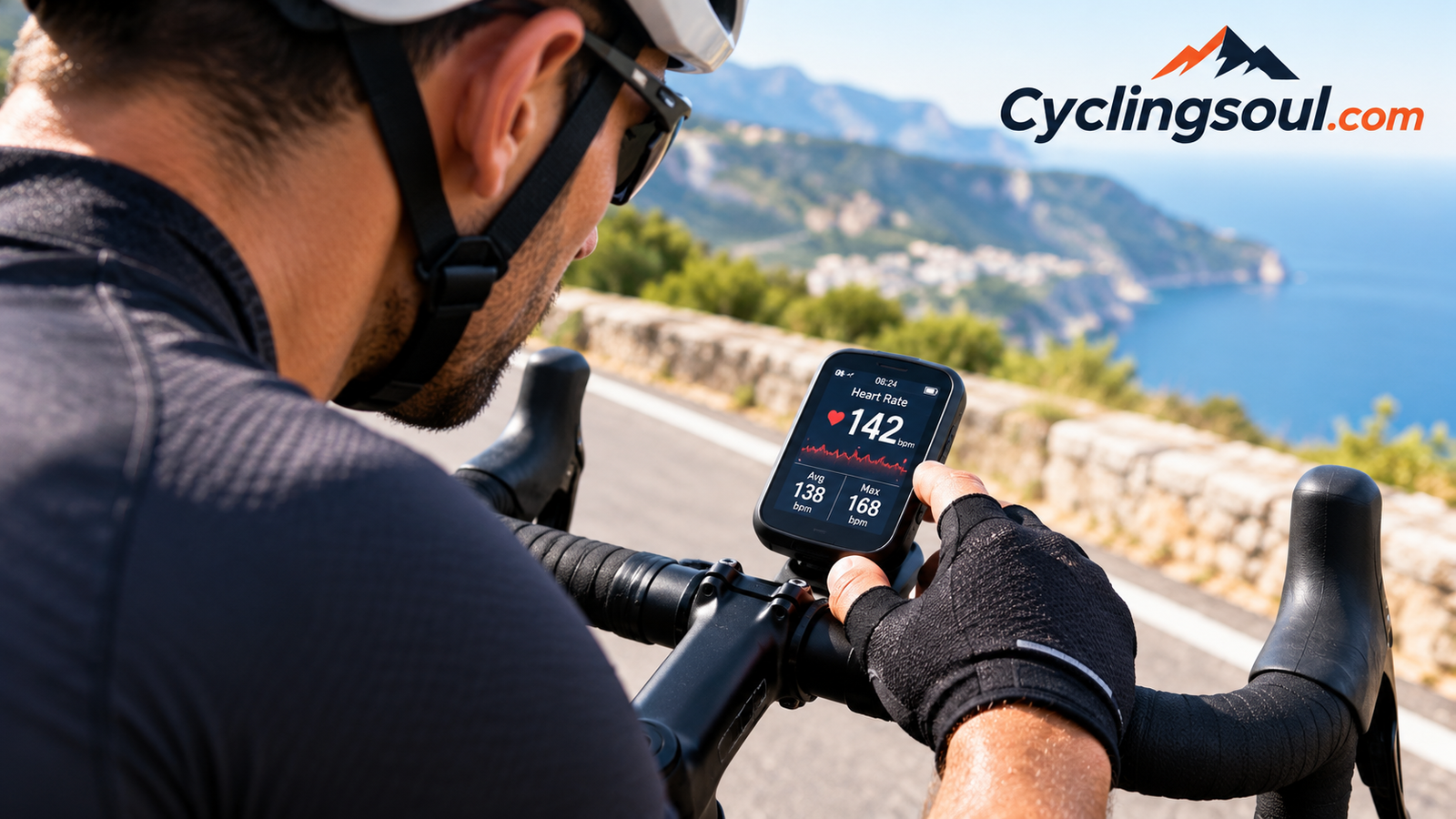
1. The Short Answer: Yes, Cycling Is Excellent Cardio
If you are wondering whether cycling counts as real cardio, relax. It does. Cycling is a textbook aerobic exercise: it uses large muscle groups, it is rhythmic, and you can sustain it long enough to push your heart and lungs well beyond their resting workload. Whether you are commuting, grinding up a hill, or spinning on a stationary bike in your living room, you are doing the same basic thing that every good cardio workout does. You are asking your body to deliver more oxygen to working muscles, and your body is responding by getting better at it.
What makes cycling special is how forgiving it is. The bike carries your weight, so your joints take far less pounding than they would during running or jumping workouts. That means more people can do more minutes of it, more often, and for more years. Consistency is the quiet secret of cardiovascular fitness, and an activity you can repeat without dreading it will beat a brutal workout you quit after three weeks.
In this guide, we will walk through what cardio actually is, how cycling challenges your cardiovascular system, how hard you need to ride, how it compares with running and swimming, and how to build a plan that works whether you are brand new or already fit. If you are just getting started, our guide on how to start cycling makes a great companion read.
Want to see your effort in real numbers? A simple heart rate monitor makes every ride more useful.
Shop Heart Rate Monitors2. What Cardio Really Means (and Why It Matters)
“Cardio” is shorthand for cardiovascular or aerobic exercise. The word aerobic means “with oxygen.” During this kind of activity, your muscles burn a mix of fat and carbohydrate for fuel, and they need a steady supply of oxygen to do it. Your heart pumps harder to move blood, your lungs work faster to bring oxygen in, and your blood vessels widen to deliver it where it is needed.
A workout generally counts as cardio when three things are true. First, it involves big muscle groups such as the legs, hips, and back. Second, it is rhythmic and repetitive. Third, it keeps your heart rate elevated above resting for a sustained stretch, usually at least ten minutes and often far longer. Cycling ticks all three boxes cleanly. Your quadriceps, hamstrings, glutes, and calves drive the pedals in a smooth circular motion, and your heart rate climbs and settles into a steady state as long as you keep going.
Aerobic vs anaerobic effort
It helps to know that cycling lives on both sides of the aerobic line. A relaxed ride at a conversational pace is almost entirely aerobic. Sprinting away from a stoplight or attacking a steep climb pushes you into anaerobic territory, where your muscles produce energy faster than oxygen can keep up, and you feel that familiar burn. Both are valuable. The aerobic base builds endurance and recovery capacity, while harder efforts raise your ceiling. Cycling lets you train both ends of the spectrum on the same bike, often in the same ride.
Why cardio fitness matters beyond the gym
Good cardiovascular fitness is linked with a lower risk of heart disease, better blood pressure, improved blood sugar control, sharper mood, and easier everyday movement. Climbing stairs, carrying groceries, and playing with your kids all get easier when your aerobic engine is strong. Many health organizations recommend roughly 150 minutes of moderate-intensity activity per week for adults, and cycling is one of the easiest ways to reach that target. If you want a broader look at the upside, see our overview of whether cycling is good for you.
A comfortable saddle and a properly fitted bike make it much easier to ride long enough to matter.
Browse Comfortable Bike Saddles3. How Cycling Trains Your Heart and Lungs
When you start pedaling, a chain reaction begins. Your muscles demand more oxygen, so your brain signals your heart to beat faster and your breathing to deepen. Over the first few minutes, heart rate rises until it meets the demand of the effort you are producing. If you hold that effort steady, your heart rate plateaus. Push harder, and it climbs again until you approach your personal maximum.
Stroke volume and cardiac output
Each heartbeat pushes out a certain amount of blood, called stroke volume. Multiply that by your heart rate, and you get cardiac output, the total blood your heart moves each minute. Regular cycling gradually strengthens the heart muscle and increases stroke volume. The practical result is that a trained cyclist often has a lower resting heart rate and can deliver more oxygen at any given effort. That is why the same hill feels easier after a couple of months of riding.
Lung capacity and oxygen use
Your lungs themselves do not grow dramatically, but your body gets better at extracting and using oxygen. Capillary networks in your muscles become denser, and the mitochondria, the tiny power plants inside your cells, multiply and become more efficient. Together these changes raise your VO2 max, the benchmark measure of aerobic capacity, and improve your ability to ride harder for longer before fatigue sets in.
The muscle side of the equation
Cardio on a bike is also a muscular workout. The same legs that drive your heart rate up are building endurance as they go. If you are curious about exactly which tissues are doing the work, our breakdown of what muscles cycling works goes deeper, and if you are chasing a stronger backside, read whether cycling builds glutes.
Track cadence and speed to see your fitness improve week after week.
Find Bike Computers4. The Cardiovascular Benefits of Cycling
Riding regularly can change your body in ways that show up on a doctor’s checklist and in your everyday life. While individual results vary, here is what consistent cycling tends to deliver.
- A stronger, more efficient heart. The heart adapts to repeated aerobic demand by pumping more blood per beat, which can lower resting heart rate over time.
- Healthier blood pressure. Regular aerobic exercise is associated with modest reductions in blood pressure, especially in people who start with elevated numbers.
- Better cholesterol and blood sugar profiles. Endurance exercise can improve how your body handles fats and glucose, which matters for long-term heart and metabolic health.
- Improved endurance. Daily tasks feel easier, and you recover faster between efforts.
- Mood and stress benefits. Rhythmic outdoor movement is one of the more reliable ways to clear your head. Many riders describe it as moving meditation.
- Better sleep. Moderate daytime activity often helps people fall asleep faster and sleep more deeply.
- Weight management support. Burning calories consistently, combined with sensible eating, makes weight control easier.
Pros and cons of cycling as your main cardio
Pros
- Low impact on joints
- Easy to scale up or down
- Doubles as transportation
- Fun enough to stick with
- Works indoors or outdoors
Cons
- Needs some equipment
- Weather and traffic can interfere
- Less bone-loading than running
- Saddle discomfort early on
- Upper body gets little work
That bone-loading point is worth knowing. Because cycling is non-weight-bearing, it does less for bone density than running or lifting. Pairing your rides with a couple of strength sessions each week fills that gap nicely. For a wider look at health returns, also see whether cycling is good for your knees, since joint-friendliness is one of its biggest selling points.
Add a little strength work to round out your cardio routine.
Shop Resistance Bands5. Intensity and Heart Rate Zones: How Hard Should You Ride?
Whether cycling qualifies as “good cardio” for you depends partly on how hard you pedal. A leisurely roll on flat ground with your heart rate barely above resting is better than sitting, but it will not drive big fitness gains. To get real aerobic benefit, you generally want to spend meaningful time in the moderate and vigorous zones.
Finding your zones
A common rough estimate for maximum heart rate is 220 minus your age. It is imperfect, and individual maximums can differ by ten beats or more either way, but it gives you a starting point. From there, zones are expressed as percentages of that maximum.
| Zone | Approx. % of Max HR | How It Feels | Best For |
|---|---|---|---|
| Zone 1 | 50–60% | Very easy, chatty | Recovery and warm-up |
| Zone 2 | 60–70% | Comfortable, can talk in full sentences | Building the aerobic base |
| Zone 3 | 70–80% | Steady, breathing deeper | Tempo riding and endurance |
| Zone 4 | 80–90% | Hard, short sentences only | Threshold intervals |
| Zone 5 | 90–100% | Maximal, a few words at most | Short sprints and VO2 work |
The talk test
If you do not own a heart rate monitor, use the talk test. If you can hold a normal conversation, you are in the easy to moderate range. If you can only manage short phrases, you are in the vigorous zone. If you cannot speak at all, you are going very hard, and that is only sustainable for brief efforts. The beauty of the talk test is that it costs nothing and adjusts itself to how you feel on any given day, including when you are tired, stressed, or sick.
Why Zone 2 gets so much love
Many coaches build the majority of a rider’s week in Zone 2 because it develops the aerobic engine with relatively low fatigue. You can do a lot of it, and you recover quickly. Then you sprinkle in harder days for a higher ceiling. If this idea intrigues you, our primer on what FTP is in cycling explains how riders measure and use threshold power to set training intensities more precisely.
A chest strap monitor gives more accurate readings than most wrist-based sensors during hard efforts.
View Chest Strap Monitors6. Cycling vs Other Cardio: How Does It Compare?
No single exercise is best for everyone. The right choice depends on your goals, injury history, schedule, and what you will actually enjoy doing. Here is a fair side-by-side look at cycling and several popular alternatives.
| Activity | Joint Impact | Cardio Potential | Strength Carryover | Accessibility |
|---|---|---|---|---|
| Cycling | Low | High | Lower body endurance | Needs a bike or gym access |
| Running | High | High | Lower body, some bone loading | Just shoes |
| Swimming | Very low | High | Full body | Needs a pool |
| Walking | Low | Low to moderate | Minimal | Almost anyone, anywhere |
| Rowing | Low | High | Full body | Needs a machine |
Cycling vs running
Running burns more calories per minute for most people, and it loads your bones. Cycling allows longer sessions with less wear and tear, so total weekly volume can end up higher. Runners are also more prone to overuse injuries, while cyclists face crash and traffic risks instead. Neither is “better.” Many athletes combine them for balanced fitness. For a full head-to-head, check out our comparison of cycling vs running.
Cycling vs walking
Walking is wonderful and underrated, but most people cannot push their heart rate into higher zones through walking alone on flat ground. On a bike, a small increase in effort produces a large increase in intensity, which makes cardio gains faster per minute invested. The trade-off is convenience: walking needs no gear at all.
Cycling vs swimming
Swimming recruits more of your upper body and is the gentlest of all on the joints, but it comes with a steeper skill curve and access hurdles. Cycling is typically easier to fit into a regular day, particularly if you can bike to work or errands.
Compare options for an indoor setup if weather or time limits your outdoor riding.
See Indoor Exercise Bikes7. Indoor vs Outdoor Cycling for Cardio
Both count. Both work. The best option is whichever one gets you pedaling consistently. Still, each has its own character, and understanding the differences helps you build a smarter routine.
Indoor cycling
Stationary bikes, spin bikes, and smart trainers remove variables. There are no stoplights, no traffic, no wind, and no weather. You can hold an exact power or heart rate for twenty minutes without interruption, which makes indoor riding fantastic for structured intervals. Many people also find that guided classes or virtual rides make time fly. The downsides are boredom for some and a lack of natural airflow, which means you will sweat more than you expect. A fan makes a big difference.
Outdoor cycling
Riding outside delivers scenery, fresh air, and the mental benefits of exploring. Terrain naturally varies your effort: hills spike your heart rate, descents give you a break, and wind adds resistance. That built-in variety makes outdoor rides feel more playful, but it also makes precise intensity control harder. Outdoor riding also demands more attention to safety, visibility, and clothing. Our guide on what to wear cycling helps you dress for changing conditions.
Which is better for cardio?
If your goal is controlled, repeatable training, indoors has the edge. If your goal is enjoyment and long-term adherence, outdoors often wins. Many riders do both: weekday sessions indoors when time is tight, and a longer outdoor ride on the weekend.
Indoor strengths
- Weather proof
- Precise intensity control
- Time efficient
- Safer from traffic
Outdoor strengths
- Scenery and variety
- Natural terrain intervals
- Skills and bike handling
- Transportation value
Keep cool and comfortable on indoor sessions with a decent fan.
Shop Workout Fans8. A Beginner Cardio Plan That Actually Works
New riders often make the same mistake: they go too hard too early, feel wrecked, and lose motivation. A smarter approach is to build gradually, letting your body adapt. Here is a simple four-week template you can adjust to fit your fitness level and schedule.
| Week | Rides Per Week | Duration | Effort |
|---|---|---|---|
| Week 1 | 3 | 20–30 minutes | Easy, conversational |
| Week 2 | 3 | 30–40 minutes | Easy, add a few gentle hills |
| Week 3 | 3–4 | 35–45 minutes | Mostly easy, one steadier moderate ride |
| Week 4 | 4 | 40–60 minutes | Mix of easy and moderate, one longer ride |
Start with the basics
Before chasing numbers, get your setup right. Saddle height matters more than most beginners realize: if your knee is almost locked at the bottom of the pedal stroke or bends sharply, you will waste energy and invite aches. Choose a bike that fits you, learn to shift gears early so you can maintain a smooth cadence, and pick routes with minimal traffic. Our full walkthrough on how to start cycling covers equipment, safety, and first-ride tips in detail.
Aim for cadence, not just speed
A comfortable cadence for most riders is somewhere around 70 to 90 revolutions per minute. Pedaling in a gear that is too heavy grinds your knees and tires your legs before your heart gets a real workout. Spinning a lighter gear shifts the load toward your cardiovascular system, which is the point of cardio.
Make it stick
- Schedule rides like appointments and keep them short rather than skipping them entirely.
- Find a riding buddy or local group for accountability.
- Track progress with something simple, like weekly minutes ridden.
- Celebrate non-scale wins: easier hills, longer rides, faster recovery.
A good helmet, lights, and a repair kit are the real beginner essentials.
Shop Beginner Essentials9. Intervals and Structured Training for Bigger Cardio Gains
Once riding feels comfortable, the fastest way to boost fitness is adding structure. Intervals alternate harder efforts with easier recovery, and they challenge your cardiovascular system in ways steady riding cannot. You do not need much to see results. One or two interval sessions per week, mixed with easier riding, is a solid recipe for most people.
Three beginner-friendly interval workouts
- Short surges: After a warm-up, ride hard for 30 seconds, then easy for 90 seconds. Repeat eight to ten times.
- Tempo blocks: Ride steadily at a challenging but sustainable pace for ten minutes, recover for five minutes, and repeat two or three times.
- Hill repeats: Find a moderate climb that takes about two minutes. Ride up at a hard effort, coast down, and repeat four to six times.
Polarized training: mostly easy, a little hard
A popular approach among endurance coaches is to spend most of your time riding easy and a small portion riding very hard, avoiding the gray zone in the middle where every ride feels “kind of tough.” This pattern builds fitness while keeping fatigue manageable. If you want to dive into planning, our guide on how to train for cycling offers a deeper framework you can follow week by week.
Recovery is part of training
Fitness is built during rest, not during the workout itself. Plan at least one or two easy or rest days per week, and listen to signals like unusually high resting heart rate, heavy legs, or poor sleep. Those are signs your body wants a lighter day.
Fuel your harder sessions and long rides so your effort stays strong to the end.
Shop Energy Gels10. Calories, Weight Loss, and Belly Fat
Many people ask about cycling and cardio because they want to lose weight. Cycling can absolutely help, as long as you set realistic expectations. Calorie burn depends on your body weight, speed, terrain, and effort level. A rough guide: a person who weighs around 155 pounds might burn somewhere near 300 calories in half an hour of moderate cycling, and more at higher intensity. Heavier riders typically burn more, and lighter riders burn less. For a closer look, see our breakdown of how many calories cycling burns.
Weight loss is a long game
Weight management comes down to energy balance over time, and it is easy to undo a good ride with a generous snack afterward. Cycling works best alongside sensible eating, adequate protein, and good sleep. Many people find that cycling also reduces stress eating, because it provides a healthy outlet. Our dedicated guide on cycling for weight loss lays out practical strategies.
Can you target belly fat?
Spot reduction is a myth. You cannot choose where fat leaves your body. What cycling does is create a calorie deficit and improve your overall body composition, and fat often comes off the midsection as total body fat decreases. We cover this in more depth in our article on whether cycling burns belly fat.
What about muscle?
Cycling builds endurance in the legs and can add some muscle, particularly in beginners or when you ride hills and use higher resistance. It is not a replacement for lifting if size or strength is your primary goal. We explore this fully in does cycling build muscle.
| Ride Type | Typical Effort | Main Benefit |
|---|---|---|
| Easy spin | Light, conversational | Recovery, fat oxidation, consistency |
| Steady endurance | Moderate | Aerobic base and calorie burn |
| Intervals | Hard with rest | Higher fitness ceiling, efficient time use |
| Hill climbing | Hard, resistance-heavy | Leg strength and cardio together |
A smart scale or fitness tracker can help you follow trends without obsessing over daily changes.
Browse Fitness Trackers11. Gear That Helps You Ride Longer and Stay Comfortable
You do not need expensive equipment to get good cardio from cycling, but a few smart purchases make rides more comfortable, which means you will ride more. Comfort is the difference between a bike that gets used and a bike that gathers dust.
Cycling shorts and bibs
Padded shorts reduce pressure and chafing on longer rides. Bibs stay put without a waistband digging into your stomach, which many riders find more comfortable. Browse our picks for the best cycling shorts, the best cycling bibs, and the best women’s cycling shorts.
Shoes and socks
Stiffer-soled cycling shoes transfer power more efficiently and reduce foot fatigue, especially when paired with clipless pedals. Moisture-wicking socks keep feet dry and blister-free. See our guides to the best cycling shoes and the best cycling socks.
Fuel and hydration
Rides under an hour usually need little more than water. Beyond that, carbohydrates help maintain your pace and keep your effort high. Many riders rely on gels, chews, or drink mixes during long sessions. Our roundup of the best energy gels for cycling can help you choose.
Other helpful extras
- A properly fitted helmet, always.
- Front and rear lights, even in daylight.
- A water bottle cage or hydration pack.
- A small saddle bag with a spare tube and multi-tool.
- A heart rate monitor or cycling computer for feedback.
Start with the most important comfort upgrade: quality padded shorts.
Shop Cycling Shorts12. Common Mistakes, Safety, and Recovery
Cycling is kind to your body, but a few predictable mistakes can limit your cardio progress or lead to discomfort. Knowing them in advance saves you frustration.
Mistakes to avoid
- Riding the same effort every time. Steady riding is great, but without variation your progress plateaus.
- Going too hard on every ride. Constant moderate-to-hard effort builds fatigue without the benefit of true recovery.
- Poor bike fit. A saddle that is too low or too high can cause knee and hip pain.
- Ignoring nutrition and hydration. Under-fueling leads to weak, flat rides.
- Skipping strength training. Core and hip strength improves power and protects your lower back.
- Not warming up. Ten easy minutes prepare your heart and muscles for harder work.
Safety on the road
Wear a helmet, use lights, obey traffic laws, and ride predictably. Bright clothing and a rear blinker dramatically improve your visibility. If outdoor traffic makes you nervous, choose bike paths, quiet streets, or indoor options until your confidence grows.
Knees, back, and hands
Most cycling aches trace back to fit and overuse. If your knees complain, check saddle height and cleat position, and ease back on resistance. If your lower back is sore, strengthen your core and consider a shorter reach. Numb hands often mean too much weight on the bars or a stiff grip. Persistent pain deserves a professional opinion, and anyone with a heart condition or other health concern should talk to a doctor before starting an intense program.
Recover like you mean it
After hard rides, rehydrate, eat a mix of carbohydrate and protein, stretch gently, and sleep well. Easy spinning the next day can help loosen tired legs better than complete rest for many riders.
A foam roller is a simple, inexpensive tool for easing tight legs between rides.
Shop Foam RollersFrequently Asked Questions About Cycling and Cardio
Is cycling good cardio?
Yes. Cycling is a proven aerobic exercise that strengthens your heart, improves lung efficiency, and builds endurance. You can adjust intensity easily, so it suits beginners and experienced athletes alike.
Is cycling better cardio than running?
Neither is universally better. Running typically burns more calories per minute, while cycling is easier on joints and lets many people exercise longer. The best choice is the one you will do consistently.
How often should I cycle for cardio?
Most adults do well with three to five rides per week. A combined total of roughly 150 minutes of moderate effort, or less time at higher intensity, aligns with common health guidelines.
How long should a cardio ride be?
Beginners can start with 20 to 30 minutes. As fitness improves, rides of 45 to 90 minutes are great for building endurance. Shorter, harder rides also work well when time is limited.
Does cycling count as cardio if I ride slowly?
It counts as light activity, which still beats being sedentary. To get stronger cardiovascular benefits, include some rides at a moderate effort where your breathing is noticeably deeper.
Is indoor cycling as good as outdoor cycling for cardio?
Yes. Indoor cycling allows precise control of intensity and removes interruptions, which can make workouts very efficient. Outdoor cycling adds variety and enjoyment. Both improve cardiovascular fitness.
Can cycling help me lose weight?
It can, especially alongside sensible eating. Cycling burns calories and builds a habit of regular activity, but long-term results depend on your overall energy balance and consistency.
What heart rate should I aim for when cycling?
For general cardio, many people target roughly 60 to 80 percent of their estimated maximum heart rate. Harder interval efforts can climb above that for short periods. Individual maximums vary, so use the talk test as a backup.
Is cycling good for people with bad knees?
Often, yes, because the movement is low impact and smooth. Proper bike fit, a comfortable cadence, and moderate resistance are key. If you have an existing knee condition, check with a healthcare professional first.
Does cycling build leg muscle?
Cycling builds muscular endurance and can add some muscle, especially in beginners or when climbing hills. For maximum size and strength, combine riding with resistance training.
What should I eat before a cardio ride?
For rides under an hour, a light snack with easily digested carbohydrates an hour or so beforehand is usually enough. Longer rides benefit from a fuller meal earlier and carbohydrates during the ride.
Do I need special equipment to get cardio benefits from cycling?
No. Any reliable bike that fits you reasonably well will do. A helmet and lights are essential, while padded shorts, a heart rate monitor, and cycling shoes are comfort and performance upgrades you can add over time.
Conclusion: Cycling Is Cardio You Can Build a Life Around
So, is cycling good cardio? Without a doubt. It strengthens your heart, improves your endurance, supports weight management, lifts your mood, and does all of it without punishing your joints. More importantly, it is something many people genuinely enjoy, and enjoyment is what keeps you showing up week after week and year after year.
Start where you are. Ride at an easy pace, build your minutes slowly, add intervals once you feel ready, and pair your rides with a little strength work and good recovery. Pay attention to comfort, fuel yourself sensibly, and let consistency do the heavy lifting. A year from now, you will be amazed at what your heart and legs can handle.
Ready to ride? Gear up, pick a route, and roll out for your first or next cardio session.
Everything you need for your next ride is a click away.
Shop Cycling GearYou May Also Like
Keep exploring with these related guides from Cycling Soul.