
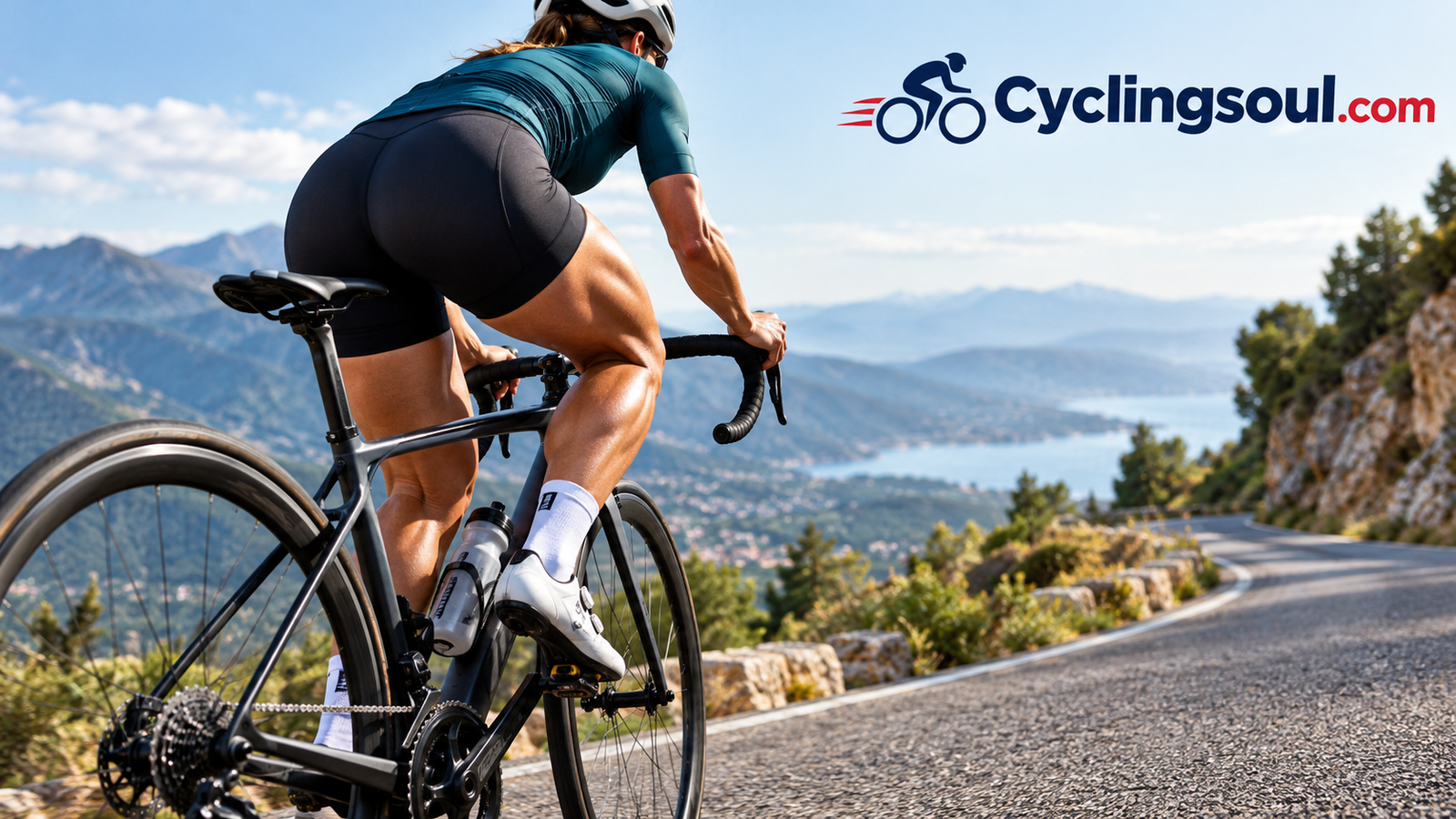
Does Cycling Build Muscle? What Really Happens to Your Legs, Glutes, and Core
Short answer: yes, but with limits. Cycling can add muscle, especially in your legs, and it can make the muscle you already have much more capable. Whether you actually grow noticeably bigger depends on your starting point, how you ride, how you eat, and what else you do in the gym.
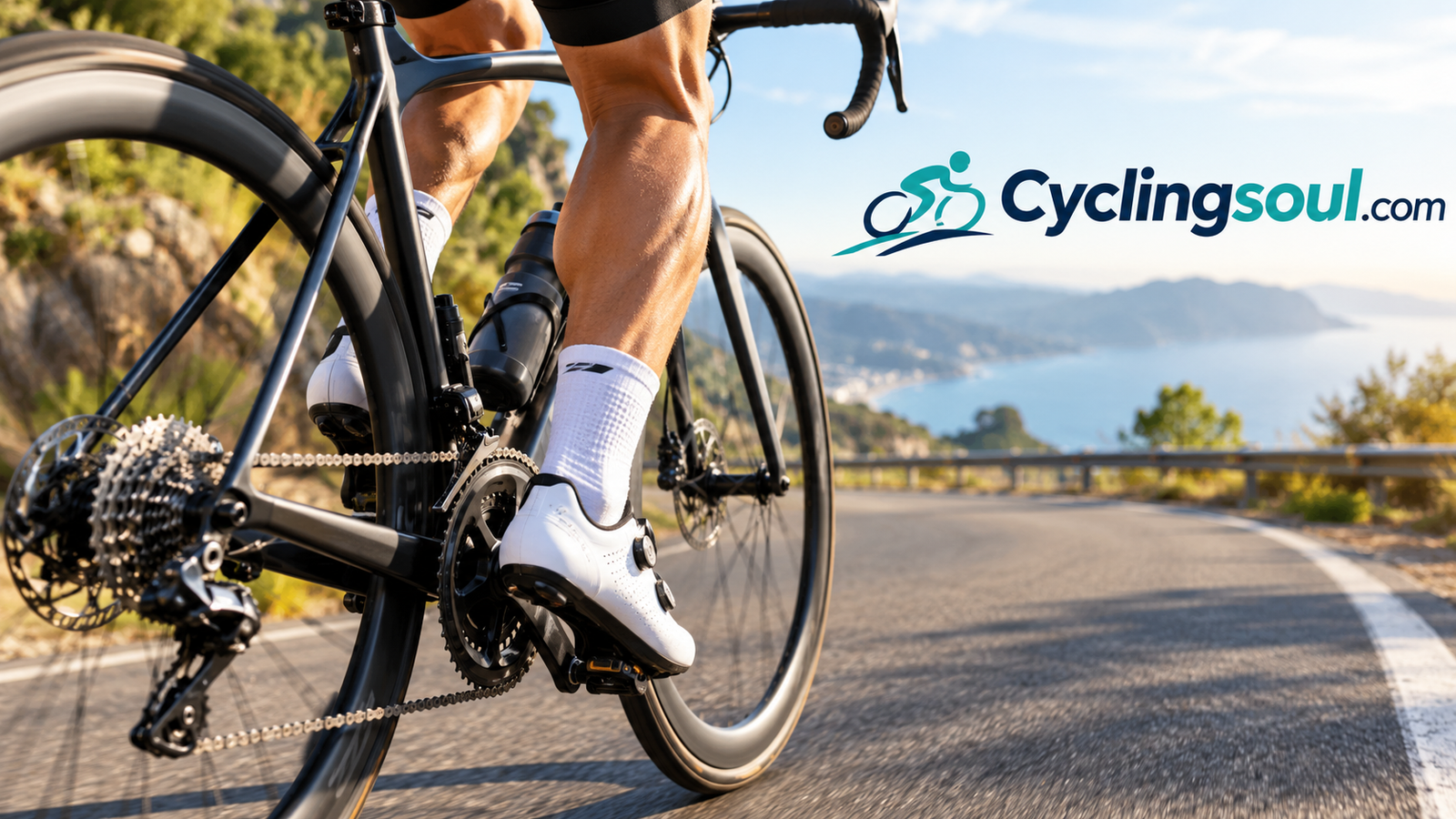
1. The Quick Answer: Does Cycling Build Muscle?
Cycling builds muscle, but it is not the most efficient tool for maximum size. Every pedal stroke asks your quadriceps, glutes, hamstrings, and calves to produce force against resistance, and anything that repeatedly challenges a muscle beyond what it is used to can trigger adaptation. That adaptation can mean more endurance, more strength, and in many cases more actual tissue.
The catch is how much. A person who has never trained will often see their thighs firm up and grow within a couple of months of regular riding. A person who already lifts heavy will probably notice very little new size from steady riding alone, because their legs are already accustomed to far greater loads than a typical ride demands.
If you are new to the sport and wondering where to start, our guide on how to start cycling covers the basics. And if you want a full muscle-by-muscle breakdown, see what muscles cycling works. This article focuses on the bigger question: how and when those muscles actually grow.
Think of cycling as a spectrum. At one end is a relaxed flat ride that mostly trains your heart and the slow-twitch fibers in your legs. At the other end is a short, violent sprint or a grinding climb in a heavy gear that recruits many more fibers and looks a lot more like strength work. Where you spend your time on that spectrum largely decides what your legs look like a year from now.
What “building muscle” really means for a cyclist
Muscle growth is not one thing. Hypertrophy is an increase in the size of muscle fibers. Strength is the ability to produce force, which depends on size but also on how well your nervous system recruits fibers. Muscular endurance is the ability to repeat a moderate effort for a long time. Cycling improves all three to different degrees, and many riders mistake a gain in strength or endurance for a gain in size, or the reverse.
Capillary density and mitochondria also increase with riding. Your muscles get better at delivering and using oxygen, which makes them feel stronger even when the tape measure does not move. That is a real adaptation, and for most riders it is the more valuable one.
Setting realistic expectations
Be honest about your goals. If you want to ride faster and climb better, cycling alone will take you a long way. If you want to look noticeably more muscular, plan on resistance training and a well-structured diet. Knowing which outcome you are chasing keeps you from judging your progress by the wrong measure.
Ready to ride more and recover better? Browse popular cycling essentials.
Shop Cycling Essentials on Amazon2. How Muscle Actually Grows (and What Cycling Asks of It)
To understand why cycling behaves the way it does, you need a quick look at the three main drivers of muscle growth: mechanical tension, muscle damage, and metabolic stress. Mechanical tension is the big one. When a muscle produces substantial force, especially through a long range of motion, it signals the body to build more contractile protein.
Mechanical tension on the bike
Pedaling is a repetitive, moderate-force motion. At a comfortable cadence on flat ground, each stroke uses only a small slice of your maximum force. That is why you can do thousands of strokes in an hour. The trade-off is that the tension per contraction is low, which limits the growth signal for your fast-twitch fibers, the ones with the most size potential.
Muscle damage and soreness
Cycling is almost entirely concentric, meaning your muscles shorten while producing force. Concentric work causes far less muscle damage than lowering a heavy weight or running downhill. This is why cycling rarely leaves you as sore as squats do, and it is one reason you can ride day after day. It is also a reason size gains come more slowly.
Metabolic stress
Long climbs and hard intervals create a burning, pumped feeling as metabolites accumulate in your muscles. That metabolic stress contributes to growth, and it is one place where cycling genuinely contributes. Sustained efforts that push your legs close to their limit are far more useful than easy spinning.
Fiber types matter
Slow-twitch fibers resist fatigue and dominate in endurance riding. Fast-twitch fibers produce more force and have greater growth potential, but they only get recruited when effort is high or when slow-twitch fibers tire out. Riders who include sprints, steep hills, and hard intervals engage more of these fibers, which is exactly why they tend to build more visible muscle than riders who only cruise.
In practice, progressive overload is the rule that ties everything together. You must gradually ask more of your muscles over time. On a bike, that means longer climbs, harder gears, more intervals, or higher power outputs. If you ride the same easy loop at the same effort forever, your body has no reason to keep changing.
Why variety beats volume
Because pedaling is low-force, simply riding more hours has diminishing returns for size. Varying intensity gives your muscles new challenges, and that novelty is what keeps adaptation going. A rider who does one hard hill session, one interval session, and one long steady ride each week typically progresses more than someone who rides the same moderate pace five times.
Why range of motion matters
Research on resistance training shows that muscles tend to grow well when worked through a long range of motion. Pedaling uses a fairly limited knee and hip range, so it cannot fully replicate a deep squat or lunge. This is one of the main reasons lifting is added to a cycling plan: it fills in the range and loading that the bike cannot provide.
Progressive overload on the bike
You can apply overload in several ways: climb longer or steeper hills, lengthen intervals, shorten your rest between efforts, ride in a harder gear, or raise your average power. Change only one variable at a time and increase it gradually. A cycling computer or power meter makes this far easier to track.
Track your effort and progress with a quality cycling computer.
Find a Cycling Computer on Amazon3. The Muscles Cycling Works Most
Cycling is a lower-body sport first, but it recruits more of your body than most people realize. Here is how the work is distributed during a typical pedal stroke.
| Muscle group | Role in the stroke | Growth potential from riding |
|---|---|---|
| Quadriceps | Drive the downstroke by extending the knee | High, especially with hills and low-cadence work |
| Glutes | Power the top of the downstroke and hip extension | Moderate, higher when climbing out of the saddle |
| Hamstrings | Assist the downstroke and pull through the bottom | Low to moderate |
| Calves | Stabilize the ankle and transfer force to the pedal | Low to moderate |
| Hip flexors | Lift the leg on the upstroke | Low, mostly endurance |
| Core | Stabilizes the pelvis and spine | Low, mostly endurance |
| Arms, shoulders, back | Support your upper body on the bars | Minimal, mostly isometric |
The quadriceps are the headline muscle. They produce a large share of the force in every downstroke, so they respond fastest to riding. Many cyclists notice their quads develop a distinct, defined shape, including the teardrop muscle just above the inner knee.
The glutes do their best work when the pedaling load is high. On a steep climb or a sprint, the gluteus maximus contributes far more than on a flat cruise. If glute development is your goal, read our deeper dive on whether cycling builds glutes.
Your core and upper body rarely grow from cycling, but they matter. A strong, stable trunk lets you transfer power efficiently, and it protects your lower back over long rides. Riders who ignore these areas often develop fatigue and discomfort long before their legs give out.
A closer look at the downstroke and upstroke
The power phase runs from roughly the top of the pedal circle to about the three o’clock position. This is when the quads and glutes do most of the work. As the pedal sweeps through the bottom, the hamstrings and calves take over, helping to scrape the foot backward. On the upstroke, hip flexors and, if you are clipped in, the hamstrings help lift the leg. Most of the real power still comes from the front half of the circle.
The role of the core
A strong trunk acts as the platform your legs push against. When your core is weak, energy leaks as your pelvis rocks, and you feel it in your lower back and neck. Planks, side planks, dead bugs, and bird dogs are simple, bike-friendly ways to build the stability that keeps you comfortable and efficient.
Build the supporting muscles with a simple home setup.
Shop Resistance Bands on Amazon4. Will Cycling Make Your Legs Bigger?
This is the question behind most searches for this topic. The answer depends on what you mean by bigger and who is asking.
Studies of recreational and untrained participants consistently show that a few months of structured cycling can increase thigh muscle size and strength. The gains are real, though smaller than what heavy resistance training produces over the same period. Some research even suggests that, for people who have been inactive, cycling and lifting can produce similar early improvements in leg muscle size, largely because any new stimulus is enough to cause adaptation.
What most riders actually see
- Firmer, more defined legs: reduced body fat reveals existing muscle, which often looks like growth.
- Larger quads and calves: especially in riders who climb or sprint regularly.
- Little change in the upper body: cycling will not build your chest, back, or arms.
- Possible weight loss: high mileage can shrink overall body size even as the legs become stronger.
That last point surprises people. If you ride a lot and eat too little, your body may lose both fat and some muscle, and the scale can drop without your legs looking any bigger. This is common among endurance athletes, and it is why the best-built cyclists tend to fuel deliberately and train strength.
Look at the pros
Track sprinters have enormous legs because their sport is short, explosive, and heavy on force. Road climbers are typically lean with slimmer legs because their sport rewards a high power-to-weight ratio. Same bike, very different physiques, and the difference comes from the type of work they do.
If your goal is fat loss alongside muscle tone, our article on cycling for weight loss explains how to structure rides, and you may also like our look at whether cycling burns belly fat.
Body composition versus muscle size
Many people judge muscle gain by the mirror or the scale, but both can mislead. If you gain a small amount of muscle while losing fat, your weight might stay the same or fall, yet your legs look leaner and more athletic. That is a success, even if the scale does not show it. Measuring your thigh circumference, tracking photos, and noting strength changes in the gym give a fuller picture than weight alone.
Genetics and body type
Genetics influence how easily you build and keep muscle. Some riders develop large quads quickly, while others stay slim no matter how hard they train. Neither is better; it simply means you should adjust expectations and focus on the aspects you can control, such as consistency, nutrition, and progressive training.
Keep your legs strong and your recovery on track.
Shop Foam Rollers on Amazon5. Who Gains the Most Muscle From Cycling?
Not everyone responds equally. Your training history is the single biggest factor in how much cycling will change your body.
| Rider type | Expected muscle response | Best approach |
|---|---|---|
| Complete beginner | Noticeable leg gains within weeks to months | Build consistent mileage, add hills gradually |
| Returning after a long break | Fast regain of lost muscle | Ramp up slowly to avoid overuse injuries |
| Older adult | Meaningful gains in strength and function | Pair riding with light resistance work |
| Regular recreational rider | Slow, modest gains | Add intervals, hills, and a strength day |
| Experienced lifter | Very little new size from riding alone | Use cycling for cardio and keep lifting heavy |
| Endurance racer | Maintenance, sometimes slight muscle loss | Prioritize protein and year-round strength work |
Beginners enjoy what researchers call newbie gains. When a muscle has not been challenged in a while, almost any effective stimulus produces progress. That is why someone coming off the couch can feel their legs change quickly, while a seasoned rider barely notices the difference week to week.
Older adults deserve special mention. Cycling is low impact and joint friendly, which makes it a good way to preserve leg strength and mobility as we age. It is not a replacement for resistance training, though, since age-related muscle loss responds best to a combination of approaches. If joint comfort is a concern for you, read whether cycling is good for your knees.
For lifters, riding is mainly a heart and lung tool. It improves recovery between sets, supports cardiovascular health, and burns calories without the pounding of running. You will not lose your muscle by riding moderately, but you also should not expect it to replace squats.
Beginner example
Imagine someone who walks occasionally and starts riding three times a week for 30 to 45 minutes. In the first month, they mostly gain stamina and coordination. By month two or three, their legs feel noticeably stronger on hills and their thighs look firmer. Add a weekly hill session and two light strength workouts, and the change speeds up significantly.
Advanced example
Now consider an experienced lifter who adds long easy rides for cardio. Their legs already handle heavy squats, so steady riding provides little extra growth stimulus. The rides improve their conditioning and recovery between sets but will not add size. To get more from the bike, they would need sprints, steep climbs, or very low-cadence work.
New to riding? Start with a comfortable, well-fitting helmet.
Browse Cycling Helmets on Amazon6. Ride Types That Build the Most Muscle
If you want your cycling to do more for your muscles, change how you ride before you change how much you ride. These styles shift the work toward the fast-twitch fibers and higher forces that drive growth.
Hill repeats
Climbing is resistance training on wheels. Gravity adds load, which raises force per pedal stroke. Try repeating a hill of three to six minutes at a hard but controlled effort, with an easy descent in between. Stay seated for part of the climb and stand for part, since standing shifts more work to your glutes and hamstrings.
Sprint intervals
Short, maximal efforts of 10 to 30 seconds recruit nearly all of your muscle fibers. Do them with full recovery in between, because the aim is power rather than exhaustion. A handful of sprints once or twice a week can make a surprising difference to leg size and explosiveness.
Low-cadence, high-torque work
Riding in a harder gear at a slower cadence, around 50 to 60 revolutions per minute, increases force per stroke. Keep your back relaxed and your knees tracking cleanly. Do this on a gentle climb or flat road for several minutes at a time, and back off if you feel any knee pain.
Threshold and tempo intervals
Sustained efforts near your limit build muscular endurance and metabolic stress. If you train with power, these are the sessions that raise your functional threshold, which we cover in what is FTP in cycling.
Easy endurance rides
These do little for size, but they build aerobic capacity, aid recovery, and make hard days possible. Do not skip them; just do not expect them to bulk you up.
| Ride style | Main benefit | Muscle-building value |
|---|---|---|
| Hill repeats | Force and climbing power | High |
| Sprint intervals | Explosive power | High |
| Low-cadence torque | Muscular strength endurance | Moderate to high |
| Threshold intervals | Sustained power | Moderate |
| Easy endurance | Aerobic base and recovery | Low |
For a structured plan that mixes these ride types sensibly, see how to train for cycling.
A sample hill session
After a 15-minute warm-up, ride four to six repeats of a climb lasting about four minutes at a hard, steady effort where you could only speak a few words. Spin easily back down for recovery. Finish with a cool-down. As you improve, add repeats or choose a steeper hill rather than simply going faster.
A sample sprint session
Warm up thoroughly, then do six to eight sprints of 10 to 15 seconds, flat out, from a slow roll in a moderate gear. Rest three to five minutes between each. Stop when your sprint power drops noticeably; the quality of each effort matters more than the number completed.
How often to include hard work
Two hard sessions per week is plenty for most riders. Hard efforts demand recovery, and stacking too many leads to fatigue rather than progress. Surround them with easier rides and rest days.
Make steep climbs easier on your wheels and your legs.
Explore Power Meters on Amazon7. Cycling vs Strength Training for Building Muscle
Strength training wins for pure muscle growth, and it is not close. Lifting lets you load muscles through a full range of motion with heavy, progressively increasing weights and train every muscle group directly. Cycling cannot match that for most people. But the comparison is not a contest, because the two do different jobs.
| Factor | Cycling | Strength training |
|---|---|---|
| Muscle size potential | Modest, mostly legs | High, whole body |
| Muscular endurance | Excellent | Good |
| Cardiovascular fitness | Excellent | Moderate |
| Joint impact | Very low | Low to moderate |
| Calorie burn per session | High | Moderate |
| Recovery demand | Low to moderate | Moderate to high |
| Upper body benefit | Minimal | Significant |
Pros of using cycling for muscle
- Low impact and joint friendly
- Builds endurance and heart health together
- Easy to do frequently
- Enjoyable and sustainable for many people
Cons of using cycling for muscle
- Limited growth for experienced trainees
- Barely trains the upper body
- Heavy mileage can burn through muscle without enough food
- Progressive overload is harder to measure
Cardio matters too. If you are curious how riding stacks up as a heart workout, our piece on whether cycling is good cardio covers that in detail, and if you are weighing it against another popular option, take a look at cycling vs running.
Where cycling surprisingly competes
For people who are new to exercise, studies suggest moderate cycling can produce thigh muscle gains comparable to lifting over several weeks. This does not mean it matches lifting forever. As you adapt, the bike’s relatively low force demand stops being enough, and progress slows unless you raise the challenge.
Where lifting is the clear winner
Heavy compound lifts such as squats, deadlifts, and presses allow you to load muscles progressively in a way that is hard to replicate on a bike. They also strengthen bones and connective tissue, which matters for long-term health. Cycling, being non-weight-bearing, offers little bone-loading benefit, another reason to add resistance work.
The bottom line on the comparison
Treat the bike as a superb endurance and cardio tool that also builds some leg muscle, and treat weights as the best way to build size and strength. When you combine them, each makes the other more effective.
Add simple strength work at home with adjustable dumbbells.
Shop Adjustable Dumbbells on Amazon8. Glutes, Hamstrings, and Calves: The Supporting Cast
Quads get the attention, but the muscles behind and below them matter for both performance and shape.
Glutes
The gluteus maximus is a powerhouse that produces force at the start of the downstroke. On flat, easy rides it works lightly. On hills, sprints, and out-of-the-saddle efforts it works hard. Riders who rely on their quads and neglect their glutes often feel stronger on paper than on the road. Stronger glutes can improve pedaling efficiency and reduce stress on your knees and lower back.
Hamstrings
The hamstrings help drive the pedal through the bottom of the stroke and pull it back up when you ride clipped in. Because cycling uses them at a short, fixed range, they rarely grow much. Hamstring tightness is common among cyclists, which is another reason to add stretching and posterior chain exercises like Romanian deadlifts and hip thrusts.
Calves
The calves work as stabilizers and force transmitters. They respond modestly, mostly in riders who sprint or climb standing. Riders with strong calves often show it as leaner, more defined lower legs.
Why balance matters
Overdeveloped quads paired with weaker glutes and hamstrings can alter how your knee tracks, which is a recipe for discomfort. A little targeted work behind the legs keeps your body balanced. Good starting points include:
- Romanian deadlifts for hamstrings and glutes
- Hip thrusts or glute bridges for glute strength
- Split squats or lunges for single-leg stability
- Standing calf raises for lower-leg strength
Making the glutes work harder on the bike
- Spend time climbing in the saddle with a steady, strong push rather than only spinning light gears
- Include standing efforts on hills for short stretches
- Check that your saddle is not too low, which can limit glute engagement
- Think about pushing through the heel and extending the hip, not just straightening the knee
Off-bike exercises that pay off
Single-leg work is especially valuable because cycling is a single-leg-at-a-time activity. Step-ups, Bulgarian split squats, and single-leg Romanian deadlifts improve balance, power, and symmetry. Aim for two to four sets of 6 to 12 repetitions with a challenging load.
Support your glute work with a good set of mini loop bands.
Shop Loop Bands on Amazon9. Fueling Your Rides to Build (Not Lose) Muscle
You cannot build muscle out of thin air. If you ride a lot and eat too little, your body will use whatever it can for energy, and muscle is on the menu. Nutrition is often the difference between a rider who gains and one who stays flat or shrinks.
Protein
Protein supplies the building blocks for repair and growth. Many active people aim for roughly 1.4 to 2.0 grams per kilogram of body weight each day, spread across meals, though individual needs vary. Spreading intake over the day, with a serving after harder rides, helps support recovery. Check with a registered dietitian or your doctor if you have kidney issues or specific medical needs.
Carbohydrates
Carbs fuel hard efforts and protect muscle from being burned for energy. For rides longer than an hour or very intense sessions, take carbohydrates during the ride, not just before. This keeps your power up and reduces muscle breakdown. Products designed for this purpose are covered in our roundup of the best energy gels for cycling.
Total calories
Building muscle generally requires a modest calorie surplus or at least enough to cover your training. If your goal is to lose fat and keep muscle, a small deficit with high protein and resistance work is the sensible approach. A large deficit plus long rides is the quickest path to losing muscle.
It helps to know how much you burn. Our guide on how many calories cycling burns can help you plan your eating around your training.
| Timing | What to focus on | Why it helps |
|---|---|---|
| Before a hard ride | Easily digested carbs with a little protein | Tops off energy so muscle is spared |
| During long rides | Carbs and fluids | Maintains power and limits breakdown |
| After riding | Protein plus carbs | Starts repair and refills energy stores |
| Daily | Enough total calories and protein | Supports growth over time |
Sample day of eating for a rider building muscle
- Breakfast: oats or eggs on toast with fruit and Greek yogurt
- Pre-ride snack: a banana with peanut butter or a slice of toast with honey
- During the ride: a drink with carbohydrates, a gel, or a snack bar on longer outings
- Post-ride meal: chicken, rice, and vegetables, or a protein smoothie with fruit
- Dinner: fish or lean meat, potatoes or pasta, and a large portion of vegetables
- Evening: cottage cheese or yogurt if you need extra protein
Plant-based riders can hit similar targets with tofu, lentils, beans, tempeh, and soy or pea protein, paying attention to total protein and variety.
Hydration
Even mild dehydration lowers performance and can make workouts feel harder. Drink regularly during rides, and add electrolytes when you sweat heavily or ride in heat.
Keep your protein intake on track with a convenient option.
Browse Protein Powders on Amazon10. Recovery, Sleep, and Avoiding Muscle Loss
Muscles grow when you rest, not while you ride. Training provides the signal, but repair happens in the hours and days that follow. Skimping on recovery is one of the most common reasons riders stall.
Sleep
Most adults do best with seven to nine hours. During deep sleep, your body releases growth hormone and carries out a lot of tissue repair. Chronic short sleep reduces both performance and recovery.
The interference effect
When you do a lot of endurance training alongside strength training, the endurance signals can blunt some of the growth signals. This is called the interference effect. It is real but often overstated for recreational riders. It becomes more of an issue with very high volume, with little rest, or when your food intake is too low. Keeping hard strength sessions separate from your hardest rides helps.
Signs you are overdoing it
- Heavy, tired legs that do not recover in a day or two
- A resting heart rate that creeps upward
- Poor sleep and low motivation
- Falling power or stalled progress
- Getting sick more often than usual
If you see several of these, take a lighter week. A planned rest period often leads to better results than pushing through fatigue.
Simple recovery habits
- Eat a proper meal within a couple of hours of a hard session
- Hydrate well, including electrolytes on hot days
- Do easy spinning or walking on rest days
- Stretch or roll tight areas like the quads, hips, and calves
Deload weeks
Every three to four weeks, consider reducing your volume by about a third. Your body consolidates gains during these lighter periods, and you often come back fresher and stronger. Many riders resist the idea, but those who adopt it tend to stay healthier and progress more consistently.
Listening to pain
Muscle fatigue is normal; sharp or persistent joint pain is not. If you feel pain around your knees, hips, or back that does not settle, check your bike fit and ease off. See a medical professional for anything that lingers or worsens.
Speed up recovery with compression and massage tools.
Shop Massage Guns on Amazon11. Combining Cycling With Strength Training
This is where the real progress lives. Pairing regular rides with two weekly strength sessions gives you the endurance and heart benefits of cycling along with the muscle-building power of lifting. Here is a flexible weekly layout you can adapt.
| Day | Session | Focus |
|---|---|---|
| Monday | Strength: lower body | Squats, deadlifts, lunges, calf raises |
| Tuesday | Interval ride | Hill repeats or sprint intervals |
| Wednesday | Rest or easy spin | Recovery |
| Thursday | Strength: full body | Rows, presses, core, hip thrusts |
| Friday | Easy endurance ride | Aerobic base |
| Saturday | Long ride | Steady effort with climbing |
| Sunday | Rest | Full recovery |
Tips for making it work
- Separate the hardest sessions. Avoid a heavy leg day immediately before a key interval ride when possible.
- Lift heavy, not endless. Three to five sets of 5 to 10 reps with challenging weights builds more than light, high-rep work.
- Include the upper body and core. Rows, push-ups, planks, and presses balance what cycling neglects.
- Progress gradually. Add a little weight or an extra rep over time.
- Leave your ego at the door. You do not need to destroy yourself in the gym to see results.
If you are just getting started and want a bigger-picture plan for riding and conditioning, read whether cycling is good for you for the overall benefits.
A good rule of thumb: if your main goal is muscle, make strength training the priority and use cycling as your cardio. If your main goal is cycling performance, make riding the priority and use strength sessions to support it. Either way, the two strengthen each other.
A simple lower-body strength session
| Exercise | Sets and reps | Why it helps |
|---|---|---|
| Back or goblet squat | 3 to 4 sets of 6 to 10 | Quads and glutes through a full range |
| Romanian deadlift | 3 sets of 8 to 10 | Hamstrings and glutes |
| Split squat | 3 sets of 8 per leg | Single-leg strength and balance |
| Hip thrust | 3 sets of 8 to 12 | Glute power |
| Calf raise | 3 sets of 10 to 15 | Lower-leg strength |
| Plank | 3 sets of 30 to 60 seconds | Core stability |
Off-season versus race season
During the colder months or an off-season, you can lift more heavily and ride less. As riding volume increases in spring and summer, reduce lifting to one maintenance session per week so you hold onto strength without piling on fatigue.
Build a simple strength corner at home.
Shop Home Gym Gear on Amazon12. Gear, Bike Setup, and Common Mistakes
The right gear will not build muscle for you, but it makes consistent, comfortable, effective training possible. Discomfort is one of the biggest reasons people quit.
Clothing and contact points
A good chamois makes a huge difference over long rides. Look at our guides to the best cycling shorts, best cycling bibs, and best women’s cycling shorts. If you are unsure what to put on for different conditions, see what to wear cycling.
Shoes and socks
Stiff-soled shoes transfer more of your effort to the pedals, and clipping in lets you pull as well as push, which brings in more hamstring and hip flexor work. Check our picks for the best cycling shoes and the best cycling socks.
Bike fit
A poor saddle height or cleat position forces your muscles to work inefficiently and can cause pain. A professional fit is worth the cost if you ride regularly, because correct positioning improves power and protects your joints.
Common mistakes to avoid
- Only riding easy. If every ride is gentle, your muscles have little reason to grow.
- Under-eating. Burning more than you eat will cost you muscle.
- Skipping strength work. It is the fastest way to build real size and resilience.
- Ignoring recovery. Progress happens when you rest.
- Pushing too hard too soon. Sudden jumps in volume lead to injury.
Saddle height and cleat position
A saddle that is too low overloads the knees and quads, while one that is too high can cause hip rocking and hamstring strain. Small adjustments can change how muscles share the work. Make changes in tiny steps, a few millimeters at a time, and give yourself a few rides to adapt.
Tracking progress
Keep a simple log of your rides, strength workouts, body measurements, and how your legs feel. Retest every four to six weeks with something repeatable, such as a favorite climb or a set number of squats at a given weight. Seeing numbers improve is far more motivating than guessing.
Upgrade your comfort with quality cycling shorts.
Shop Cycling Shorts on AmazonFrequently Asked Questions
Does cycling build muscle in your legs?
Yes. Cycling builds muscle in the quads, glutes, hamstrings, and calves, with the quads responding most. Gains are largest for beginners and for riders who include hills, sprints, and hard intervals.
Can cycling replace weight training?
Not for maximum muscle growth. Cycling builds endurance and some leg size, but heavy resistance training provides stronger growth signals and works the upper body, which cycling barely touches. Combining both gives the best overall results.
Does cycling make your thighs bigger?
It can, particularly if you are new to training or ride hard efforts. Riders who focus on long, easy mileage may instead see leaner legs as body fat drops.
How long does it take to see muscle gain from cycling?
Beginners can often notice firmer, more capable legs within a few weeks to a couple of months of consistent riding. Visible size changes usually take longer and depend on training intensity and nutrition.
Does cycling build glutes?
Yes, especially when climbing or riding out of the saddle. For significant glute growth, add exercises like hip thrusts and Romanian deadlifts alongside your rides.
Can you lose muscle from too much cycling?
You can if you ride a lot while eating too little or skipping strength work. Adequate protein, enough calories, and regular resistance training help you keep muscle.
Is indoor cycling as good for muscle as outdoor riding?
It can be. Indoor bikes let you control resistance precisely, which makes structured intervals and low-cadence torque work easy to do. Outdoor hills offer natural resistance, so both can build muscle when the effort is high enough.
What type of cycling builds the most muscle?
Hill repeats, sprint intervals, and low-cadence high-torque efforts build the most muscle because they require higher force and recruit more fast-twitch fibers than steady, easy riding.
Does cycling build upper body muscle?
Very little. Your arms, shoulders, and back work mainly to support you on the bike. Add rows, presses, and core exercises to balance your physique.
How often should I ride to build muscle?
Three to five rides per week works for many people, including at least one or two harder sessions with climbing or intervals. Pair these with two strength sessions and enough rest.
Should I eat more protein if I cycle a lot?
Most active people benefit from a higher protein intake than sedentary people. Many aim for roughly 1.4 to 2.0 grams per kilogram of body weight per day. Individual needs vary, so a dietitian or doctor can help tailor this to you.
Can older adults build muscle by cycling?
Yes, cycling can help older adults maintain and improve leg strength with low joint stress. Adding light resistance training is recommended for the best results.
Conclusion: So, Does Cycling Build Muscle?
Cycling does build muscle, particularly in the legs, and it is one of the most enjoyable ways to keep them strong. If you are a beginner, you may be surprised how quickly your quads and glutes respond. If you are more experienced, you can still push your legs further with hills, sprints, and heavier gears.
The best results come from a balanced approach: ride with purpose, lift a couple of times a week, eat enough protein and carbohydrates, and give your body time to recover. Do that consistently and you will build a body that is strong, capable, and ready for whatever the road throws at you.
Gear up and start building stronger legs today.
Shop Top Cycling Gear on Amazon